
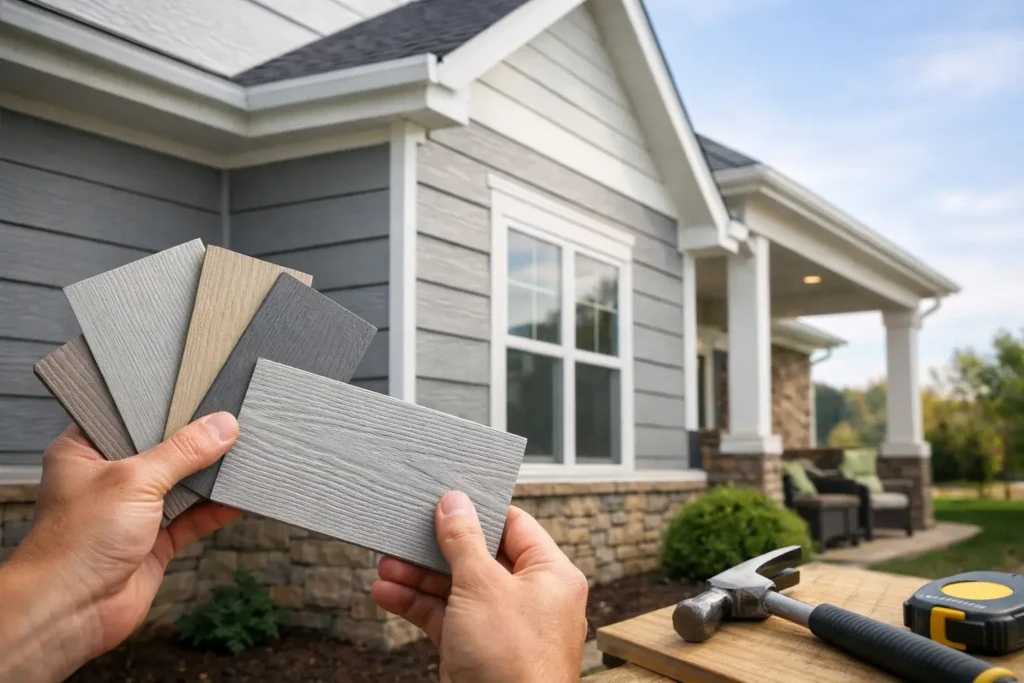
If your siding is starting to fade, crack, or make your whole house look older than it is, a fiber cement siding review is a smart place to start. Homeowners usually ask the same practical questions first: Will it hold up in rough weather, how much maintenance does it need, and is the higher upfront cost actually worth it over time? Those are the right questions, especially in places where wind, moisture, hail, and temperature swings put exterior materials to work year-round.
Fiber cement siding review: what it actually is
Fiber cement siding is made from a mix of cement, sand, and cellulose fibers. That combination creates a product that is heavier and tougher than vinyl, less maintenance-heavy than wood, and designed to handle demanding exterior conditions without giving up curb appeal.
It is available in lap siding, panels, and shake-style profiles, so it can fit everything from a newer build to an older home that needs a more updated exterior. It also comes in a wide range of factory-finished colors and textures, including options that closely resemble painted wood grain.
For many homeowners, the appeal is simple. Fiber cement aims to give you the look of a premium siding product without the constant upkeep that comes with natural wood.
Where fiber cement performs well
The strongest argument for fiber cement is durability. It stands up well to moisture, resists rot, and does not attract pests the way wood can. It also handles heat and sun exposure better than some lower-cost siding materials that may warp or become brittle with age.
That matters if you want a siding product that looks stable and solid years after installation. Fiber cement typically keeps its shape well, and because it is not a thin hollow product, it often gives a home a more substantial appearance.
It also performs well in areas where weather can shift quickly. Wind-driven rain, freeze-thaw cycles, and strong seasonal changes are hard on house exteriors. Fiber cement is often chosen because it offers a good balance between resilience and appearance.
Another plus is fire resistance. Unlike wood or vinyl, fiber cement is non-combustible. For some homeowners, that added peace of mind is a real benefit, especially when they are thinking about the entire exterior system, not just looks.
The trade-offs homeowners should know
No honest fiber cement siding review should pretend this material is perfect. Its biggest drawback is cost. Fiber cement usually costs more than vinyl, both for materials and for labor. The boards are heavier, cutting requires the right tools and safety precautions, and installation takes real skill.
That means the installer matters just as much as the product. Poor installation can lead to moisture issues, joint problems, or premature wear around trim and penetrations. A good siding material can still disappoint if corners are cut during the install.
The second trade-off is that fiber cement is low maintenance, not no maintenance. Factory-finished products can hold color well for many years, but they will not look brand new forever. Caulking joints, checking painted surfaces, and inspecting areas around windows, doors, and rooflines should still be part of regular exterior care.
It is also worth knowing that fiber cement can chip if struck hard enough. It is durable, but not indestructible. In hail-prone areas, impact resistance is part of the conversation, and your contractor should help you compare options based on local conditions.
How it compares to vinyl and wood
When homeowners compare siding materials, the real choice usually comes down to budget, appearance, and how much maintenance they are willing to take on.
Compared with vinyl, fiber cement generally wins on appearance and feel. It tends to look more like a premium product, and many homeowners prefer the deeper shadow lines and more natural texture. It is also less likely to warp in high heat and often feels sturdier from the curb.
Vinyl still has a place, though. It is more affordable, easier to install, and requires very little upkeep. If the top priority is lowering initial project cost, vinyl may be the better fit.
Compared with wood, fiber cement usually wins on durability and maintenance. You get a similar visual style without the same level of concern over rot, insects, and repeated repainting. Wood has undeniable character, but it asks more from the homeowner over the years.
So is fiber cement the best option? It depends on what matters most to you. If you want the lowest upfront cost, probably not. If you want a strong mix of appearance, longevity, and manageable upkeep, it is often one of the best choices available.
Fiber cement siding review: is it worth the cost?
This is where the conversation gets more practical. Fiber cement is rarely the cheapest siding quote, but price alone does not tell you much. A better question is what you are paying for.
You are paying for a more durable material, a more refined look, and a product that can support long-term home value when installed correctly. You are also paying for labor that should include proper flashing details, moisture management, trim integration, and clean finishing work.
If you plan to stay in your home for many years, that investment can make sense. The benefit is not just fewer headaches. It is also the confidence that your exterior is built to handle weather exposure while keeping the house looking sharp.
If you are preparing to sell soon, the value equation can still work, especially if your current siding is visibly tired or damaged. New fiber cement siding can noticeably improve curb appeal, which matters when buyers form opinions before they even step inside.
That said, not every house needs a premium siding material. If your budget is tight or the home is an entry-level rental, another product may be more practical. A good contractor should be honest about that instead of pushing one option for every project.
What to look for before you choose it
The product itself matters, but the full system matters more. Homeowners should ask about house wrap, flashing, trim materials, caulking strategy, ventilation details, and how the siding integrates with soffit, fascia, gutters, and rooflines. These are the areas where exterior projects either perform well for years or start showing problems too early.
You should also ask whether the crew has direct experience with fiber cement. This is not the place for guesswork. Proper fastener placement, cut treatment, spacing, and moisture detailing all affect how the siding performs over time.
Color choice deserves some thought too. Darker colors can look excellent, but they may fade differently depending on sun exposure and product finish. Lighter neutral tones are often the safest long-term choice if you want broad curb appeal and easier exterior coordination.
And do not overlook maintenance expectations. Even a durable material benefits from periodic inspections, especially after severe weather. Catching small issues early is one of the best ways to protect the larger investment.
Who fiber cement siding is best for
Fiber cement is a strong fit for homeowners who want a more finished, higher-end exterior without taking on the maintenance demands of wood. It also makes sense for people who are tired of replacing lower-grade materials too soon or who want a siding product that feels substantial and dependable.
For homes exposed to challenging weather, it is often worth serious consideration. In places like Southern Alberta, where the climate puts pressure on every part of the exterior, material choice should never be based on appearance alone. A contractor such as HighLow Roofing & Exteriors looks at siding as part of the full protective shell of the home, which is exactly how homeowners should think about it too.
If your priorities are durability, curb appeal, and long-term value, fiber cement earns its reputation. If your priorities are the lowest price and minimal upfront spend, another option may fit better.
The right siding decision is usually not about finding a perfect material. It is about choosing the one that fits your home, your budget, and the kind of maintenance you are realistically willing to keep up with. When you look at fiber cement through that lens, it is easy to see why so many homeowners put it near the top of their list.