
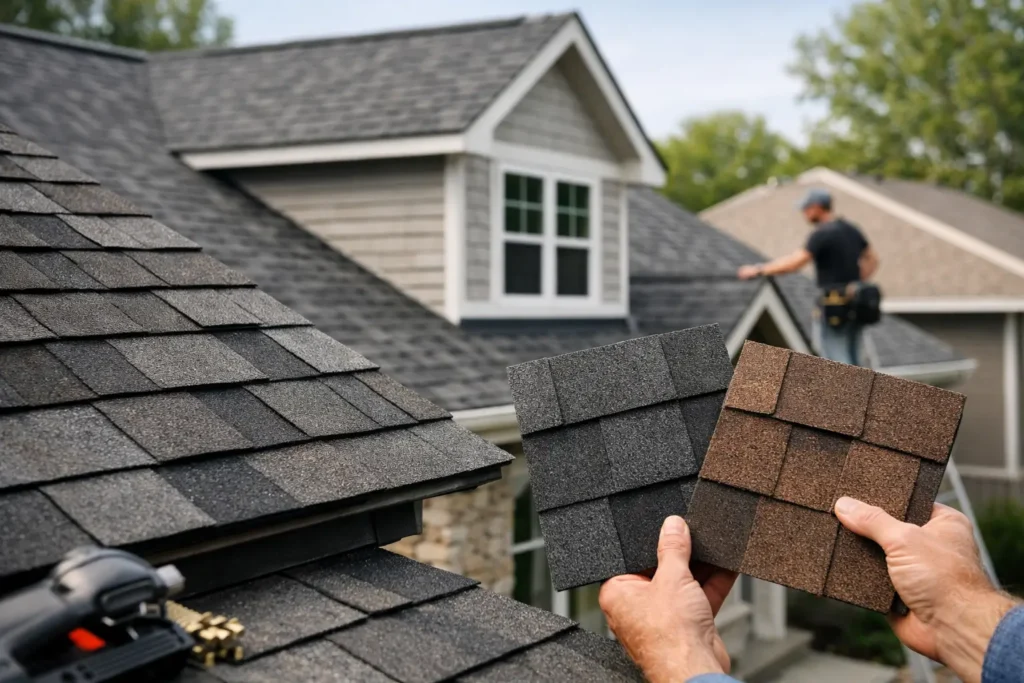
If your roof is getting older, showing granule loss, or has started leaking after another round of hard weather, an architectural shingles review is a smart place to start. Homeowners usually ask the same practical questions first: Will they hold up, are they worth the extra cost, and do they actually look better from the street? Those are the right questions, especially in places where wind, hail, snow, and temperature swings can test a roof year after year.
Architectural shingles sit a step above basic 3-tab shingles. They are made with a heavier, layered design that gives the roof more dimension and, in many cases, better durability. For many homes, they strike a useful middle ground between affordability and long-term performance. They are not the most expensive roofing option on the market, but they are often a noticeable upgrade in both appearance and lifespan.
Architectural shingles review: what you’re really buying
When homeowners compare shingles, they often focus on color first. That matters for curb appeal, but the real value comes from the construction of the shingle itself. Architectural shingles are laminated asphalt shingles, which means they have multiple layers bonded together. That thicker build helps them create the shadow lines and texture that make a roof look more substantial.
It also tends to improve resistance to weather compared with entry-level asphalt options. Depending on the product line and installation method, many architectural shingles offer stronger wind ratings and longer expected service life than 3-tab shingles. That does not mean every architectural shingle performs the same way. Some are built for basic residential use, while others are engineered for tougher wind or impact conditions.
What you are really buying is a balance of appearance, warranty coverage, material thickness, and installation quality. The shingle matters, but the crew installing it matters just as much. A premium product installed poorly can fail early. A solid architectural shingle installed with proper ventilation, underlayment, flashing, and fastening is usually the better long-term investment.
How architectural shingles compare to other roofing choices
For many homeowners, the real question is not whether architectural shingles are good. It is whether they are the right fit compared with other options.
Against 3-tab shingles, architectural shingles usually win on appearance, durability, and lifespan. They generally cost more up front, but they often justify that difference with better performance and a stronger look. If you plan to stay in your home for a while, that extra investment often makes sense.
Compared with metal roofing, architectural shingles are typically more affordable and more familiar in most neighborhoods. Metal can last longer and may perform exceptionally well in certain conditions, but it carries a higher upfront cost and a different look that is not right for every home. If your goal is strong value without making the jump to a premium material category, architectural shingles are often the practical choice.
Compared with designer or luxury shingles, architectural shingles deliver much of the visual upgrade without pushing the project into a much higher budget range. Luxury shingles can be beautiful, but not every home needs that level of material cost.
The strengths that make them popular
The biggest reason architectural shingles remain so common is that they cover several homeowner priorities at once. They improve curb appeal. They provide better durability than builder-grade shingles. They fit a wide range of home styles. And they do all of that without becoming cost-prohibitive for most replacement projects.
Their dimensional look can make a home feel newer and better maintained. That matters if you are planning to sell, but it also matters if you simply want your house to look cared for. A roof takes up a large portion of what people see from the street. Flat, aging shingles can drag down the whole exterior.
They also tend to be the safer choice for homeowners who want dependable performance without overcomplicating the decision. There is a reason so many roofing contractors recommend them as the standard upgrade path. They solve more problems than they create.
The trade-offs in any honest architectural shingles review
No roofing product is perfect, and architectural shingles are no exception. They may last longer than 3-tab shingles, but they are still asphalt-based products with a limited service life compared with some premium materials. If your priority is getting the absolute longest roof lifespan possible, other systems may be worth considering.
They can also vary more than homeowners expect. One architectural shingle is not automatically equal to another. Differences in weight, sealant quality, wind rating, impact resistance, and warranty terms can affect long-term value. That is why choosing strictly by color swatch or the lowest bid can lead to disappointment.
Another trade-off is that product performance depends heavily on the full roofing system. Ventilation problems, poor flashing details, improper nail placement, or shortcuts around valleys and penetrations can shorten the roof’s life. In other words, the label on the bundle is only part of the story.
What to look for before you choose
A strong architectural shingles review should go beyond brand names and talk about the details that actually affect your home.
Start with wind resistance. In areas where high winds are a concern, this rating matters more than homeowners sometimes realize. A good shingle with proper fastening can reduce the chance of blow-offs and costly repairs.
Next, look at impact resistance if hail is common in your area. Not every architectural shingle is designed for the same level of impact. If your roof has taken storm damage before, this is worth a closer look.
Then consider algae resistance, especially if parts of your roof stay shaded. Dark streaking may not always mean failure, but it can make a newer roof look older than it is.
Warranty terms matter too, but they should be read carefully. A long warranty sounds reassuring, yet coverage often depends on approved components, installation methods, and ventilation requirements. The practical question is not just how long the warranty lasts. It is how realistic the coverage is if a problem comes up.
Cost, value, and the long view
Architectural shingles are usually not the cheapest option, and that is often exactly why they make sense. The lowest upfront price can be appealing, especially when a roof replacement is unexpected. But roofing is one of those projects where going too cheap often costs more later in repairs, shorter lifespan, or reduced curb appeal.
For many homeowners, architectural shingles hit the sweet spot. They can provide a better return than basic shingles because they tend to last longer and present better. They also help avoid the sticker shock that can come with premium roofing systems.
Value depends on how long you plan to stay in the home, what condition the current roof is in, and how exposed the property is to weather. If you are replacing a roof on a long-term family home, upgrading to architectural shingles often feels like money well spent. If the property is a short-term investment, the calculation may be different. There is no one answer that fits every house.
Installation matters more than most reviews admit
This is where many online reviews fall short. They compare product specs but skip over the work that determines whether those specs mean anything on your roof.
Good installation starts before the first shingle goes down. The roof deck needs to be checked. Weak spots, moisture damage, and problem areas around penetrations should be addressed properly. Underlayment, drip edge, flashing, and ventilation are not extras. They are part of the roofing system that protects your home.
A contractor should also be clear about what is included in the estimate, what kind of ventilation corrections may be needed, and how cleanup will be handled. Straight answers matter. So does local experience. A roof should be installed with the actual climate in mind, not just the manufacturer brochure.
That is one reason many homeowners prefer working with an established local company such as HighLow Roofing & Exteriors. Product recommendations are more useful when they are tied to real weather conditions, real homes, and real accountability after the job is done.
Is this the right roof for your home?
For most homes, architectural shingles are a strong choice. They offer a noticeable upgrade in appearance, solid durability, and a price point that is still realistic for many families. They are especially appealing if you want better performance than basic shingles without stretching into a much higher-end material.
They are probably a good fit if your priorities include curb appeal, dependable weather protection, and long-term value. They may be less ideal if you are chasing the longest lifespan available regardless of budget, or if your home design points more naturally toward another roofing material.
The best next step is not guessing from photos online. It is getting your roof evaluated as a system. The right shingle depends on your deck condition, ventilation, slope, exposure, and budget. A good contractor should help you sort through those factors without pushing you toward more than your home actually needs.
A roof replacement is a major expense, but it is also one of the clearest ways to protect your home and improve its appearance at the same time. If architectural shingles are on your shortlist, ask hard questions, compare real value instead of headline price, and choose a roof that will still make sense after the next few winters have come and gone.