
Last Updated: October 26, 2026
Quick Summary
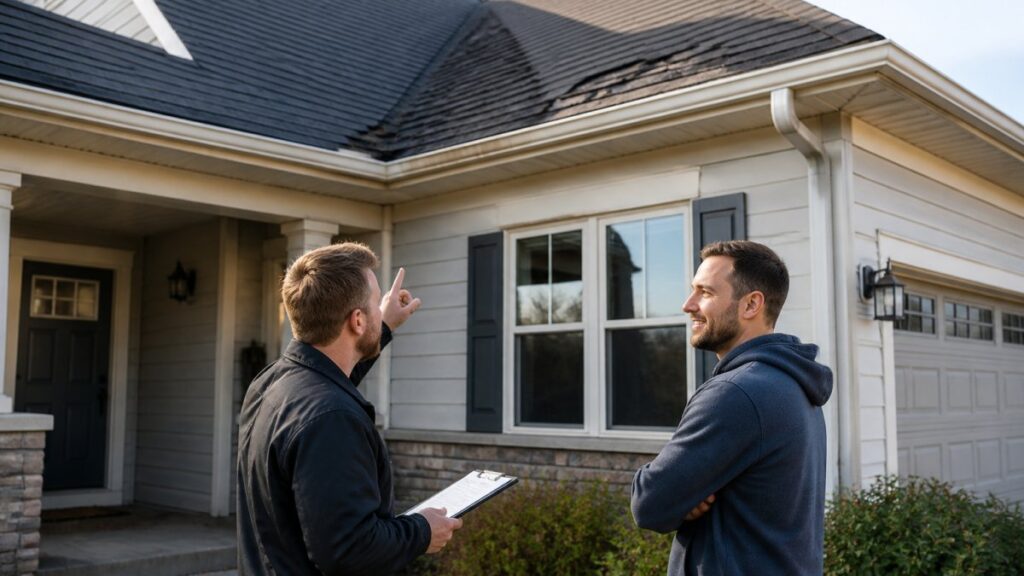
To inspect roof for storm damage, use binoculars and a camera from the ground to check for missing or cracked shingles, hail impacts, lifted ridge caps, and damaged flashing. Document all damage with photos and notes, then contact a professional roofer if you find serious damage or active leaks.
- Never climb onto your roof after a storm due to wet shingles and loose debris creating safety hazards.
- Check for missing shingles, lifted edges, cracks, and curled corners using binoculars from ground level.
- Inspect ridge lines, gable ends, valleys, eaves, and flashing areas where wind damage commonly occurs.
- Look inside your attic for water stains, damp areas, and visible growth to identify interior leaks.
- Photograph damage from multiple angles, include a coin for scale, and document the storm date and damage locations for insurance claims.
Table of Contents
- Why Inspecting Your Roof After a Storm Matters
- Prepare for a Safe Ground-Level Inspection
- Step 1: Check for Missing, Loose, and Cracked Shingles
- Step 2: How to Check Roof for Hail Damage
- Step 3: How to Inspect Roof After Wind Storm
- Step 4: Examine Flashing, Gutters, and Roof Metal
- Step 5: How to Find a Roof Leak After a Storm
- Step 6: Document Damage for Insurance Claims
- What to Do After Your Inspection
- Frequently Asked Questions
Why Inspecting Your Roof After a Storm Matters
Storm damage happens fast. Wind, hail, and falling debris can create problems you can’t see from the ground, and some damage may lead to leaks that take weeks to appear.
That’s why learning how to inspect roof for storm damage matters. At HighLow Roofing & Exteriors, we help Southern Alberta homeowners understand what to look for after severe weather.
Alberta Emergency Management Agency severe weather preparedness recommends checking your property immediately after storms pass. The sooner you spot damage, the sooner you can file insurance claims and schedule repairs.
Prepare for a Safe Ground-Level Inspection
What You’ll Need
Inspect roof for storm damage safely by gathering basic tools first, no expensive equipment needed.
Gather these items before you start:
- Binoculars (10x magnification works best)
- Camera or smartphone with a good zoom
- Clipboard and pen
- Chalk or marker
- Flashlight
A camera captures images you can review later.
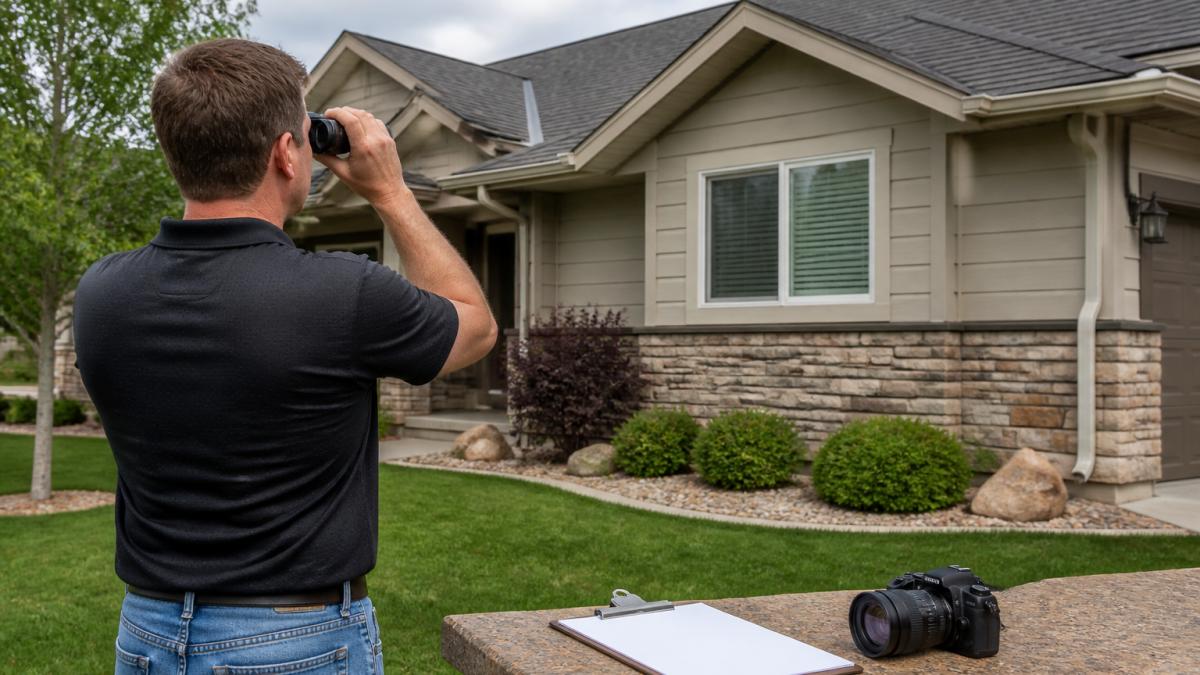
Safety First
Never climb onto your roof after a storm. Wet shingles are slippery. Loose debris creates trip hazards. Damaged sections may give way under your weight.
If you find serious damage, hire a professional roofer. Avoid inspecting during rain or high winds, and stay away from power lines and fallen branches.
Step 1: Check for Missing, Loose, and Cracked Shingles
Missing shingles are the easiest storm damage to spot. They leave bare patches that expose the wood underneath to water and UV damage.
Look for these shingle problems using your binoculars:
- Shingles that are completely gone
- Shingles lifted at the edges
- Shingles with visible cracks or splits
- Shingles that curl upward at the corners
Mark each problem area with chalk on the ground below, take photos from multiple angles, and note the location.
Clusters or damage across multiple areas may need professional attention.
Look for these shingle problems using your binoculars from the ground.
| Problem | What to Look For | Action |
|---|---|---|
| Missing shingles | Completely gone, bare patches exposed | Mark with chalk, photograph |
| Lifted shingles | Edges raised away from roof surface | Document location and angle |
| Cracked shingles | Visible cracks or splits in material | Note on clipboard |
| Curled corners | Shingles curl upward at the corners | Photograph from multiple angles |
Step 2: How to Check Roof for Hail Damage
Homeowners may see dark patches or bare spots and assume hail, when the cause can be age, foot traffic, or granule weathering. Learn the top signs of roof hail damage to distinguish storm damage from normal wear.
What Hail Actually Does to a Shingle
A hailstone can strike a shingle and dislodge granules at the strike point. From the ground, you may see missing granules.
Hail impacts share three traits that separate them from wear:
-
Random distribution. Impacts scatter across the roof face without following seams, ridges, or traffic paths.
-
Matching collateral damage. Dented gutters, downspouts, vent caps, and metal flashing at the same elevation may indicate hail reached the roof.
Reading Hail Size From the Ground
- Golf ball and larger (roughly 45 mm and up). Expect fractured mats, cracked shingles, and dented metal. This is the range where professional assessment is not optional.
The Granule Test
After hail, granules may wash into gutters and collect at downspout outlets.
Photograph any accumulation before cleaning.
Storm-Facing vs. Sheltered Slopes
Hail rarely hits every roof face equally. A clear difference in granule loss, bruising, or metal dents between opposite faces is strong evidence of a hail event rather than age.
When Hail Damage Is Urgent
Not every hail strike needs immediate action. Use this triage:
- Emergency. Active leaks. Call a professional.
Roof and Exterior Hail Damage Insurance Process walks you through filing your claim after documenting damage.
Step 3: How to Inspect Roof After Wind Storm
Wind damage may not be easy to see from the ground. A lifted shingle or shifted ridge cap may allow water in.
How Wind Actually Fails a Roof
- Lifted or creased tabs along the same course of shingles.
- Torn tabs at the nail line, leaving the nail heads exposed and the shingle hanging.
- Missing shingles in strips or clusters, especially on the windward slope and along edges.
- Displaced ridge caps, which catch the highest wind loads on the roof.
- Bent or separated flashing at gable ends, chimneys, and wall intersections.
Where to Look First
Inspect these areas from the ground:
- Ridge and hip lines. Look for caps that are lifted, cracked, or missing entirely.
- Gable ends and rake edges. Check for shingles peeled back from the edge and exposed underlayment.
- Valleys. Check for lifted shingles.
- Eaves and fascia. Look for lifted starter courses and separated drip edge.
- Penetrations. Check vents, chimney flashing, and skylight curbs for visible damage.
Distinguishing Wind Damage From Age
Curled shingles aren’t automatically storm damage. A professional can assess whether damage is storm-related.
Never walk the roof to check for lifted shingles. Assess from the ground with binoculars.
Debris and Impact Damage
Wind can carry debris. Check the area below the roof for fallen material and document visible damage.
When Wind Damage Is Urgent
- Emergency. Active leaks. Call a professional.
How to Identify Wind Damage on Roofs Safely provides additional guidance on recognizing wind damage during your inspection.
Step 4: Examine Flashing, Gutters, and Roof Metal
Flashing is found where roof sections meet walls, chimneys, and vents. Storm damage can affect flashing even when shingles look fine.
Inspect your flashing for:
- Separation from the roof or wall
- Bent or dented metal
- Gaps where water can enter
- Rust or corrosion
- Nails pulled out or missing
Gutters and downspouts take a beating during storms. Check them for:
- Dents or damage from hail or debris impact
- Separation from the roof edge
- Debris buildup (leaves, branches, granules)
- Loose or missing fasteners
- Cracks or holes in the gutter itself
Check downspouts for visible damage or blockage.
Step 5: How to Find a Roof Leak After a Storm
Finding a roof leak after a storm requires checking both outside and inside your home. Leaks don’t always show up immediately. Water travels along wood and insulation before dripping into your living space.
Interior Leak Signs
Start your leak search inside. Go to your attic on a clear day and look for:
- Water stains
- Damp areas
- Visible growth
- Unusual smells
- Visible water
Note the location of any stains.
Check ceilings and walls for visible stains.
Attic Inspection
Bring a flashlight and look for visible signs of damage in the attic.
If you find active dripping, place a bucket underneath.
Step 6: Document Damage for Insurance Claims
You can take photos and notes to document visible damage. Understand the roof and exterior hail damage insurance process to move forward with your claim after documenting the damage. Take clear photos and video of:
- Overall roof views showing damage patterns
- Close-ups of individual damaged shingles
- Flashing and metal damage
- Gutter and downspout issues
- Interior water stains and wet areas
Include a coin or ruler in photos for scale, and shoot from multiple angles.
Write detailed notes about:
- Storm date and time
- Type of storm (wind, hail, both)
- Estimated wind speed or hail size
- Damage locations (which roof face, which side of house)
- Damage types (missing shingles, dents, leaks)
- Interior damage found
Roof and Exterior Hail Damage Insurance Process walks you through filing your claim after documenting damage.
Create a timeline noting when you first noticed damage and when you discovered interior leaks. Store all photos, videos, and notes in one folder and email copies to yourself as backup.
What to Do After Your Inspection
After your inspection, you may have information about your roof’s condition.
Contact a professional roofer if you have concerns about roof damage. Book emergency storm damage repair to schedule professional assessment and repairs quickly.
How to Book Emergency Storm Damage Repair helps you schedule professional assessment and repairs quickly.
HighLow Roofing & Exteriors serves homeowners across Southern Alberta after storms. How to Identify Wind Damage on Roofs Safely provides additional guidance on recognizing wind damage during your inspection.
Our team uses quality materials and proven installation methods.
Request an estimate from HighLow Roofing & Exteriors today.
Frequently Asked Questions
How can you inspect a roof for storm damage without climbing onto it?
Use binoculars and a camera with zoom from the ground to look at shingles, flashing, and gutters. Walk around your property’s perimeter to view different roof angles. You can hire a professional for a closer inspection.
What are the main signs of hail damage on a roof?
After a storm, look for visible damage to shingles, flashing, and gutters. You can document visible damage with photos and note its location.
How do you know if your roof has wind damage?
After a storm, look for visible damage to shingles and debris around your property. A professional can assess whether damage is storm-related.
When should you call a roofing professional after a storm?
Contact a roofing professional if you have concerns about storm damage.
Storm damage inspection protects your investment. Catching problems early prevents expensive water damage and structural issues. HighLow Roofing & Exteriors helps homeowners across Southern Alberta navigate storm damage with professional inspection, clear documentation, and reliable repair solutions. Contact us for a free assessment of your roof’s condition after any storm.
