
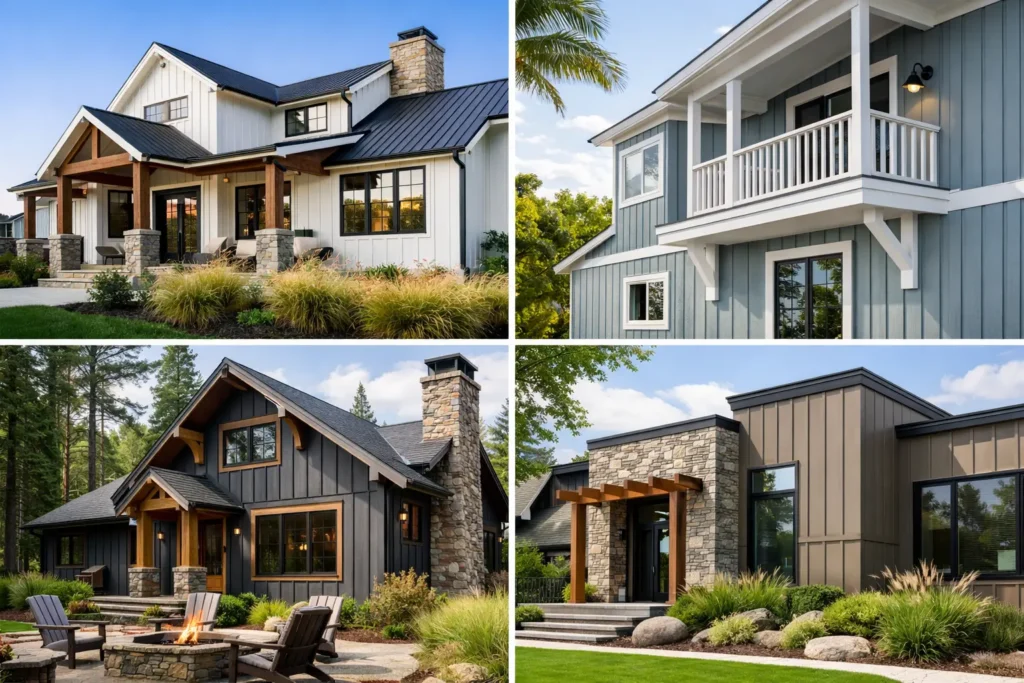
If your home feels a little flat from the street, siding can change that faster than almost any other exterior upgrade. The right board and batten siding ideas add depth, character, and a cleaner architectural look, while also giving your home a tougher exterior that can stand up to demanding weather.
That matters in places where wind, moisture, sun, and temperature swings all take a toll on exterior materials. Good siding should not only look sharp on day one. It should also hold its shape, resist wear, and keep maintenance from becoming a yearly headache. Board and batten works especially well because it brings strong vertical lines, visual texture, and a timeless style that fits more than one kind of home.
Why board and batten still works so well
Board and batten siding uses wide boards with narrow strips, or battens, covering the seams. The result is a vertical pattern that gives the house height and definition. On smaller homes, that can make the structure feel taller and more substantial. On larger homes, it can break up broad wall sections and keep the exterior from looking too plain.
It is also flexible. Some homeowners picture board and batten and immediately think farmhouse, but that is only one direction. With the right color, trim, and accent materials, it can look modern, traditional, rustic, or even a little coastal. That range is part of the appeal.
The other reason it remains popular is practical. Vertical siding can perform very well when it is installed correctly with proper weather barriers, flashing, and trim details. As with any siding style, the look is only half the job. Craftsmanship matters just as much as design.
Board and batten siding ideas for different home styles
1. Classic white for a clean farmhouse look
White board and batten is the version most people recognize first, and for good reason. It looks crisp, bright, and welcoming. Paired with black windows or darker roofing, it creates contrast without feeling busy.
The trade-off is maintenance. White shows dirt more quickly than mid-tone shades, especially around splash zones, gutters, and lower wall areas. If you love the look but want less upkeep, a softer off-white or warm cream can be a smarter choice.
2. Soft greige for a quieter, more durable-looking finish
Greige sits between gray and beige, and it has become a favorite because it feels current without chasing trends too hard. On board and batten siding, it gives you the depth of shadow lines without the starkness of white.
This is a strong option for homeowners who want curb appeal that still feels practical. It tends to hide dust and road grime better, and it works well with stone, black fixtures, and medium-tone wood accents.
3. Bold black for a modern exterior
Black board and batten can look striking on the right home. It sharpens the lines of the architecture and gives even a simple structure a more custom appearance. If your home has large windows, clean rooflines, and minimal trim, black can be a strong fit.
Still, this is one of those choices where it depends on the house and the climate exposure. Dark colors absorb more heat, and they can fade differently over time depending on the product you choose. Material quality and proper installation matter more here than ever.
4. Deep green for warmth and character
A deep forest or olive green gives board and batten a grounded, natural look. It feels less expected than gray, but still timeless. This color works especially well on homes with natural wood porch posts, tan stone, or bronze accents.
Green can be a smart middle ground if you want personality without going too bold. It stands out, but it usually ages well and stays friendly to resale.
5. Two-tone siding for better balance
Not every home should be fully wrapped in one color or one siding style. One of the most practical board and batten siding ideas is using it on upper gables or front-facing sections, then pairing it with horizontal siding elsewhere.
This approach adds interest without overwhelming the home. It can also help with budget control if you want a high-impact feature area rather than a full exterior change in one style. The key is keeping the colors coordinated so the design feels intentional.
Smart ways to add contrast and texture
6. Pair board and batten with stone
Stone and vertical siding are a natural match. The clean lines of board and batten balance the heavier, more textured look of stone, especially around the lower portion of the home, front entry, or columns.
This combination is useful when a house needs visual weight near the base. It can make the exterior feel more anchored and substantial. For many homeowners, that also brings a higher-end appearance without making the design overly complicated.
7. Use wood-toned accents to warm it up
Board and batten can sometimes look a little stark if every element is cool-toned. Adding wood-look soffits, porch ceilings, shutters, or front door accents can soften the whole exterior.
That warmth matters, especially with white, black, or gray siding. It keeps the house from feeling too sharp or overly industrial. Even one well-placed wood accent can make the design feel more finished.
8. Highlight the entry instead of the whole house
If you like board and batten but do not want a full replacement in that style, use it to frame the front entrance, a bump-out, or a garage-facing wall. This works especially well on homes that need more dimension from the street.
A focused application can create a custom look while keeping the rest of the exterior simpler. It is also a good option if your home already has strong rooflines or masonry features and does not need too many competing elements.
Practical board and batten siding ideas for real life
9. Choose colors that work with your roof
Homeowners often pick siding first because it is the larger visible surface, but your roof matters just as much. Board and batten siding should complement the roof color, not fight with it.
If your roof is warm brown, weathered wood, or tan, cooler grays can sometimes look off. If your roof is charcoal or black, you usually have more flexibility. Thinking about the whole exterior system at once helps avoid a finished project that feels mismatched.
10. Keep trim simple and intentional
With board and batten, the siding itself already creates rhythm and detail. That means you often do not need overly decorative trim. Clean window casings, strong corner boards, and solid fascia lines usually do more than enough.
This is where restraint pays off. Too many competing trim profiles can make the exterior feel crowded. A simpler approach tends to look more durable, more current, and easier to maintain.
11. Think about snow, splash, and maintenance zones
Design ideas are only good if they hold up in real conditions. Lower wall sections near grade, high-moisture areas, and spots where snow or mud collects deserve extra attention. Material selection and installation details matter as much as the style itself.
For homes in Southern Alberta, this is not a small issue. Freeze-thaw cycles, wind-driven moisture, and debris can all shorten the life of an exterior if corners are cut. A beautiful siding choice needs proper clearances, flashing, and weather protection behind the finish.
12. Match the siding scale to the size of the house
Not all board and batten profiles look right on all homes. Wider boards and battens can feel more modern and bold, while narrower spacing often feels more traditional. A small home may look better with a more modest pattern, while a larger home can handle wider spacing without losing proportion.
This is one of the most overlooked design decisions. Homeowners often focus on color first, but the actual scale of the pattern changes the look just as much.
What homeowners should get right before making a final choice
The best board and batten siding ideas usually come from balancing style, durability, and the realities of the property. Sun exposure, lot conditions, roof color, landscaping, and the age of the home all affect what will look right long term. A design that looks great on a new build may need adjustments on an older house with more traditional lines.
It also helps to think beyond the siding alone. Gutters, soffit, fascia, trim, and even exterior lighting should support the same direction. When those pieces work together, the result feels polished instead of pieced together over time.
At HighLow Roofing & Exteriors, that bigger-picture thinking matters because homeowners are not just changing one surface. They are protecting the home, improving curb appeal, and making an investment they want to feel good about for years.
If you are narrowing down siding options, start with the style of your home, the conditions your exterior has to handle, and how much maintenance you realistically want. The right choice should look good from the street, but it should also feel like one less thing to worry about when the weather turns.