
Table of Contents
- Why Getting a Free Roofing Estimate Matters
- Preparing Your Home for a Roofing Estimate Appointment
- What to Ask a Roofer During Your Estimate
- Creating Your Roofing Estimate Checklist
- How to Compare Multiple Roofing Estimates
- Requesting Your Free Estimate from a Roofing Contractor
- Making Your Final Decision
- Frequently Asked Questions
Last Updated: October 13, 2026
Why Getting a Free Roofing Estimate Matters
A free roofing estimate is the foundation of any smart home improvement decision.
At HighLow Roofing & Exteriors, we’ve seen homeowners make costly mistakes by skipping this step. They assume they know what’s needed, get quotes that don’t align, or worse, hire a contractor without understanding the scope of work.
Getting a free roofing estimate also lets you compare options. One contractor might recommend a full replacement. Another might suggest targeted repairs. A third might propose a hybrid approach.
The estimate also documents the current condition of your roof. This matters for insurance claims, future sales, and your own peace of mind. You’ll have a record of what was assessed and when.
Preparing Your Home for a Roofing Estimate Appointment
Before a roofing contractor arrives, a few simple preparations make the process smoother and more accurate.
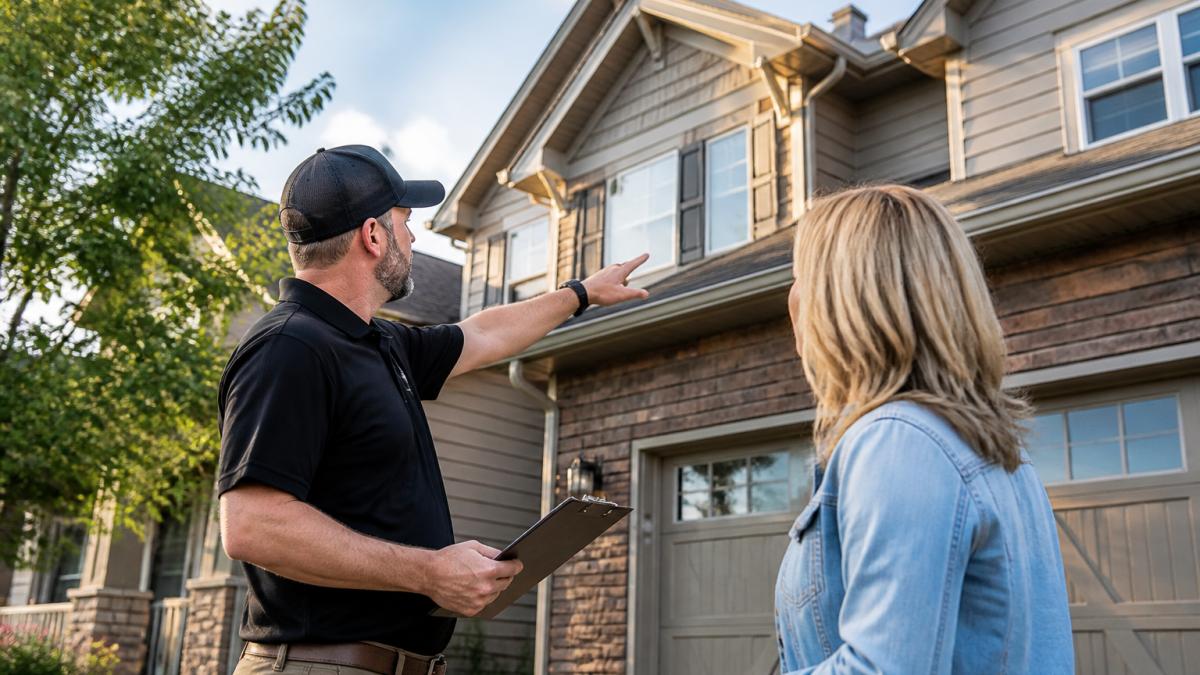
Start by clearing the area around your home. Move vehicles from the driveway if possible, and trim back any tree branches that overhang the roof.
Inside your home, identify any spots where you’ve noticed leaks, water stains, or damage.
If you’ve had previous roof work done, gather documentation. Warranties, previous inspection reports, or photos from past repairs are all valuable. They help the contractor understand your roof’s history.
How long does a typical estimate take?
A roofing estimate typically takes 30 to 60 minutes, depending on roof size and complexity. The contractor will inspect the roof surface, check the condition of materials, examine flashing and gutters, and assess any visible damage or wear.
Larger homes or roofs with multiple levels take longer. If there’s significant damage or the contractor needs to climb into the attic to assess ventilation and structural condition, budget closer to an hour. Simpler inspections on smaller homes might wrap up in 30 minutes.
What information to gather beforehand
Before the appointment, pull together a few key pieces of information. If you know your roof’s age, write it down.
Collect any previous estimates or reports from other contractors. If you’ve had work done recently, gutter cleaning, chimney repair, or anything involving roof access, those records are helpful context.
Have your home’s square footage available, or at least a rough sense of your roof size. Contractors use this to calculate material costs and labor estimates.
Make a note of any concerns specific to your property. Do you have ice damming issues in winter? Have you noticed moss or algae growth? Is there a history of leaks in one particular area?
What to Ask a Roofer During Your Estimate
Asking the right questions during your estimate appointment separates a thorough assessment from a surface-level one. These questions also reveal how much a contractor knows and how seriously they take your project.
Questions about materials and warranty
Start by asking what roofing materials the contractor recommends and why. Different materials have different lifespans, maintenance needs, and price points.
Ask about the warranty on materials. How long does the manufacturer guarantee the shingles or other roofing material? What does that warranty actually cover? Some warranties exclude damage from improper installation, so understanding the fine print matters.
Then ask about the workmanship warranty. This is the contractor’s promise that the installation itself will hold up. A strong contractor stands behind their work with a solid warranty, typically 5 to 10 years on labor.
Ask whether the estimate includes removal and disposal of old roofing materials. This isn’t always included, and it’s a significant cost. Knowing upfront prevents surprises later.
Questions about timeline and project scope
Ask how long the actual work will take. A typical roof replacement takes 1 to 3 days depending on size and weather. Repairs might take a single day.
Ask what happens if weather delays the project. Does the contractor have a rain date? Will they return to finish, or does the timeline reset?
Get clarity on the exact scope. If the estimate mentions “roof inspection,” ask what that includes. Does it cover gutters and downspouts? The condition of fascia and soffit? Flashing around chimneys or vents?
Ask whether the estimate includes cleanup. Will the contractor remove debris, sweep the area, and haul away old materials? Or will you be responsible for that?
Creating Your Roofing Estimate Checklist
A roofing estimate checklist ensures you capture all the details you need to make an informed decision. Use this checklist during or immediately after each contractor visit.
| Item | Details to Verify |
|---|---|
| Contractor name and license | Full company name, license number, insurance proof |
| Roof condition assessment | Current material type, age, visible damage, repair vs. replacement recommendation |
| Materials specified | Type of shingles or roofing material, color, grade, warranty length |
| Scope of work | Removal of old roof, new installation, flashing, gutters, soffit/fascia work included or excluded |
| Labor and timeline | Total days for project, start and end dates, weather contingencies |
| Cost breakdown | Material costs, labor costs, disposal fees, any upgrades or optional add-ons |
| Warranty details | Material warranty length and coverage, workmanship warranty length and coverage |
| Payment terms | Total price, deposit required, payment schedule, accepted methods |
| References | Contact information for recent customers, photos of completed work |
Print this checklist and fill it out for each contractor who provides an estimate. Having the same information from each contractor makes comparison straightforward.
How to Compare Multiple Roofing Estimates
Comparing roofing estimates is where most homeowners struggle. The numbers look different, the scopes don’t match, and it’s hard to know which contractor is the best choice. A structured comparison process clarifies this.
First, make sure you’re comparing the same thing. If one estimate includes removing old roofing and another doesn’t, those aren’t comparable.
Look at the material specifications. Are both contractors recommending the same grade of shingles? The same color and thickness? If they’re different, ask why. Sometimes a cheaper option is genuinely appropriate for your roof.
Check the warranty details carefully. A longer warranty is valuable, but only if it covers the things that actually matter. A 10-year material warranty is worthless if it excludes weather damage.
Evaluating scope and materials across quotes
Scope differences are where estimates diverge most. One contractor might recommend replacing fascia and soffit. Another might say they’re fine. Ask each contractor to explain their assessment.
Material choices also shift the cost. Architectural shingles cost more than standard asphalt shingles but last longer. Upgraded underlayment improves weather protection. Premium ventilation systems reduce moisture issues. These aren’t upsells, they’re legitimate upgrades that affect your roof’s performance. Understand what you’re choosing and why.
Ask contractors to explain the difference between their estimate and a competitor’s if the gap is large. A significantly lower estimate might mean the contractor is cutting corners or underestimating the work. A significantly higher estimate might mean they’re including extras you don’t need.
Spotting red flags in unusually low or high quotes
An estimate that’s far below the others warrants skepticism. Roofing costs are fairly consistent in a given area. If one contractor is 20 percent cheaper than everyone else, ask why.
Similarly, an estimate that’s significantly higher than others needs explanation. Is the contractor including work the others aren’t? Are they using premium materials? Are they just expensive?
Watch for vague language in estimates. Phrases like “as needed” or “to be determined” are red flags. You want specifics. What exactly will be replaced? What will be repaired?
Be cautious of contractors who pressure you to decide immediately. A legitimate contractor knows you’re comparing options. They’ll give you time to think and compare without pushing.
Requesting Your Free Estimate from a Roofing Contractor
Requesting a free roofing estimate is straightforward, but doing it right sets you up for better comparisons and faster decision-making.
Start by identifying contractors in your area. Ask friends and family for recommendations. Check online reviews. Look for contractors with solid track records and local experience.
When you contact a contractor, be specific about what you need. Tell them whether you’re looking at roof repair or replacement. Mention any visible damage or concerns.
Ask about their availability. Some contractors have a long wait list, especially in peak season. If you need work done quickly, that matters.
Confirm that the estimate is free and that there’s no obligation to hire them if you decide to go another direction.
How to schedule and what to expect
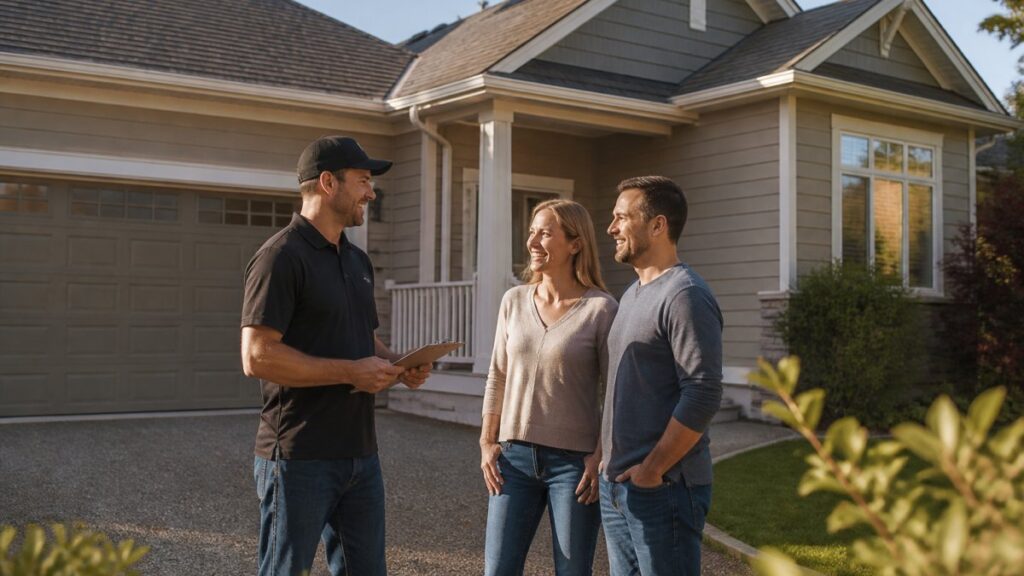
When scheduling, choose a time when you’ll be home. The contractor needs access to the exterior and often to the attic or interior spaces where leaks might be visible. Being there lets you ask questions in real time.
Ask how long the estimate will take so you can plan accordingly. Block off at least 90 minutes to be safe, especially if your roof is large or complex.
On the day of the appointment, make sure the contractor has clear access to your roof. If you have a ladder they can use, that’s helpful.
During the inspection, walk around with the contractor if possible. Ask questions. Point out areas where you’ve noticed issues.
Preparing for the on-site inspection
Before the inspector arrives, do a final walkthrough of your home. Note any interior signs of roof problems, water stains on ceilings, soft spots in drywall, visible mold or moisture. Show these to the contractor during the inspection.
Clear the attic or crawl space if the contractor needs to access it. Remove boxes, storage items, and anything that blocks access to the roof structure. A clear path makes the inspection faster and more thorough.
If you have a one-story home, the contractor will likely use a ladder to access the roof. Make sure the ground around your home is clear of obstacles.
Have your list of questions ready. Write them down so you don’t forget anything during the conversation.
Making Your Final Decision
After you’ve gathered estimates, compared them, and asked your questions, it’s time to decide. This choice affects your home’s protection and your budget, so take it seriously.
Review your checklist. Which contractor provided the clearest, most detailed estimate? Which one answered your questions thoroughly?
Consider the total value, not just the lowest price.
Think about the contractor’s reputation and reliability. Will they be in business in five years if you need warranty service?
Trust your instincts about the people involved. You’ll be having these contractors in your home and on your roof.
Once you’ve decided, contact your chosen contractor and confirm the appointment. Ask for a written confirmation of the scope, materials, timeline, and cost.
Frequently Asked Questions
What should a roofing estimate include?
A complete roofing estimate should detail the scope of work, specific materials to be used, labor costs, timeline for completion, warranty coverage, and any permits required. It should also include whether the contractor will handle debris removal and cleanup. Request itemized breakdowns so you can compare apples-to-apples across multiple quotes from different service providers.
How many roofing estimates should I compare?
Comparing at least three free estimates from different roofing contractors gives you a solid benchmark for pricing and service quality. This approach helps you identify outliers, unusually low quotes that might cut corners or unusually high ones without clear justification. Three estimates also reveal which contractors ask the right questions and provide the most thorough roofing estimate checklist.
Can a roofer provide an estimate from photos?
While some contractors may offer preliminary guidance using photos, a thorough free estimate requires an on-site inspection. Contractors need to assess roof condition, structural integrity, existing damage, and ventilation in person. Photos can’t reveal hidden issues like rot, improper installation, or underlying structural concerns that affect cost and materials needed for your roofing project.
What information should I have ready when requesting a roofing estimate?
Gather details about your roof’s age, any previous repairs, current issues (leaks, missing shingles, damaged gutters), the roof’s square footage if you know it, and photos of any visible damage. Have your home’s construction year available, as this helps contractors determine if additional work is needed. Also note any exterior services you’re considering alongside roof work, such as soffit or fascia replacement, so the contractor can provide a comprehensive quote.
Choosing the right roofing contractor starts with getting multiple free estimates and comparing them thoroughly. The process takes time, but it protects your investment and ensures your roof gets the care it deserves. HighLow Roofing & Exteriors offers free estimates with detailed assessments of your roof’s condition, clear material recommendations, and transparent pricing. Request an estimate today and see why homeowners throughout Southern Alberta trust us with their roofing projects.