
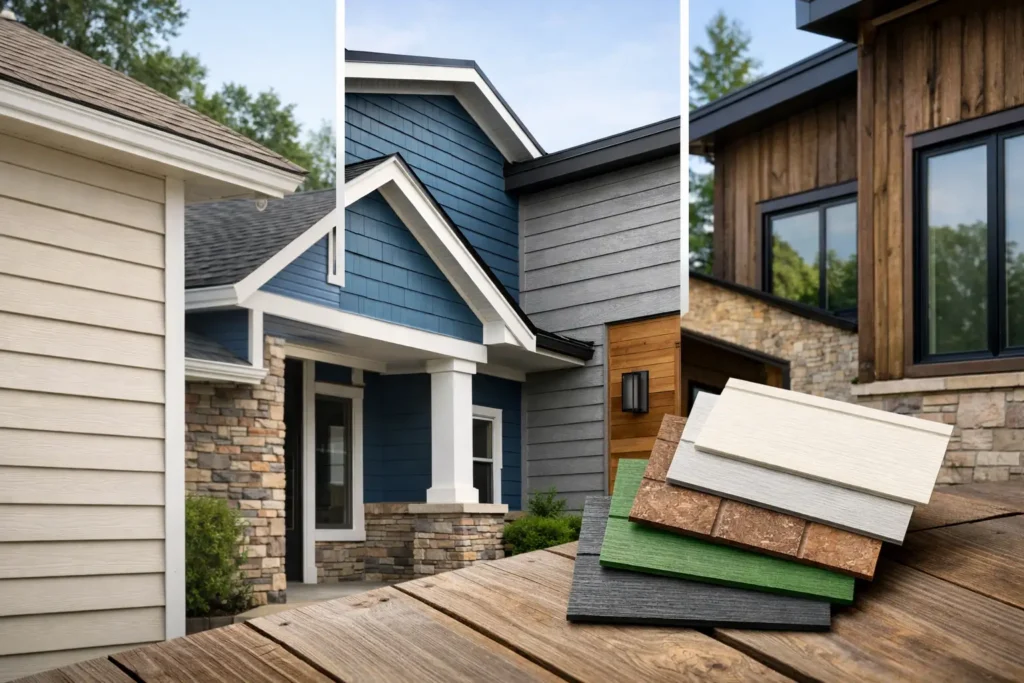
A siding replacement should not create a weekend chore list for the next 20 years. For homeowners dealing with Southern Alberta wind, temperature swings, snow, and strong summer sun, the best siding for low maintenance is one that holds its color, sheds moisture, resists impact, and needs little more than an occasional wash.
There is no single material that is right for every home. Your budget, the style of your property, exposure to wind and hail, and how long you plan to stay in the home all matter. Still, a few siding options consistently stand out when homeowners want lasting protection without frequent scraping, repainting, or repairs.
What Low-Maintenance Siding Really Means
Low maintenance does not mean maintenance-free. Every exterior needs periodic attention, especially around caulking, flashing, soffit, fascia, and the joints where siding meets windows and doors. The difference is how often the material itself needs work.
A low-maintenance siding material should resist rot, pests, warping, fading, and moisture damage. It should also be easy to clean and available with dependable trim and accessory systems that protect the vulnerable edges of the installation. Just as important, it must be installed correctly. A quality product can still fail early if water is allowed behind it or if it cannot expand and contract properly during changing temperatures.
Best Siding for Low Maintenance: Vinyl
Vinyl siding is often the practical first choice for homeowners who want dependable performance at a reasonable cost. It does not require painting, will not rot, and is not vulnerable to wood-boring insects. Most routine upkeep involves rinsing off dust, cobwebs, and grime with a garden hose or a soft brush and mild cleaner.
Modern vinyl siding is available in many colors, profiles, and textures, including options designed to resemble traditional wood lap siding. Insulated vinyl siding can also add a layer of thermal performance and help create a more finished appearance on certain homes.
The trade-off is that vinyl can crack or dent after a hard impact, particularly in very cold weather. Lower-grade products may also fade or become brittle sooner than premium options. For a home exposed to frequent hail or heavy wind, material quality and proper fastening are worth careful consideration. Vinyl needs room to move with temperature changes, so installation details are not optional.
For many families, though, vinyl delivers the best balance of low upkeep, curb appeal, and upfront value.
Fiber Cement Offers Strong Long-Term Durability
Fiber cement siding is made from cement, sand, cellulose fibers, and water. It is known for its substantial appearance and its ability to mimic painted wood, cedar shingles, or board-and-batten siding without the same risk of rot or insect damage.
This material performs well when a homeowner wants a more traditional or upscale exterior look with excellent resistance to fire, pests, and moisture. It is also more stable than wood and generally handles harsh weather well when installed and finished according to the manufacturer’s specifications.
Fiber cement is low maintenance, but it is not zero maintenance. Factory-finished boards can keep their color for years, yet paint and caulking will eventually need inspection and renewal. It is also heavier and more labor-intensive to install than vinyl, which can increase the project cost.
Choose fiber cement when appearance and durability are higher priorities than the lowest possible initial investment. It is a strong option for homeowners who want the character of painted siding but far less upkeep than natural wood.
Pay Attention to Finish Quality
The finish matters as much as the board. Pre-finished fiber cement typically offers more consistent color and can reduce painting work at installation. Whether the siding is factory finished or painted on site, exposed cut edges, penetrations, and trim transitions must be sealed properly to keep moisture out.
Engineered Wood Brings Warmth With Less Upkeep
Engineered wood siding gives homeowners the look of real wood with more consistent manufacturing and improved resistance to moisture and pests. Products are commonly formed into lap boards, panels, shakes, and trim, making them useful for both classic and contemporary exterior designs.
Compared with natural wood, engineered wood is much less likely to split, warp, or require frequent repainting. Many options arrive pre-primed or pre-finished, which helps speed up installation and provides a more uniform final appearance.
It still requires diligence at the edges. Engineered wood must be kept clear of standing water, installed with correct ground clearance, and maintained according to the product requirements. If damaged areas or exposed cuts are ignored, moisture can create problems over time.
This is a good middle-ground choice for homeowners who love a wood-style exterior but want a more manageable maintenance schedule. It is not as hands-off as vinyl, but it can offer more warmth and design flexibility.
Metal Siding Is Tough and Easy to Care For
Metal siding, usually steel or aluminum, is one of the most durable choices for a low-maintenance exterior. It does not rot, attracts no insects, and can handle moisture without absorbing it. With a quality factory coating, metal siding can retain its color and appearance for many years with simple seasonal cleaning.
Steel siding is particularly appealing in areas where wind, snow, and impact resistance are major concerns. It offers a clean, modern look, but it also works well on farmhouse-style homes, garages, workshops, and accent walls. Aluminum is lighter and naturally corrosion resistant, although it can dent more easily than steel.
The main consideration is appearance. Metal can feel more industrial than traditional lap siding, depending on the profile and color selected. Dents may also be noticeable in certain finishes. A properly detailed installation is essential to prevent moisture from reaching the structure behind the panels.
For homeowners who want exceptional durability and a distinctive exterior, metal is one of the strongest low-maintenance choices available.
Why Natural Wood Usually Requires More Work
Natural wood siding has undeniable character. Cedar, pine, and other wood products can create a beautiful exterior that ages with depth and texture. However, wood demands regular staining, painting, sealing, and inspection for rot, insect activity, and moisture damage.
That does not make wood a bad choice. It can be the right fit for a homeowner committed to preserving a specific architectural style. But if your goal is to spend less time maintaining the outside of your home, wood is rarely the best siding material for the job.
Choose for Your Home, Not Just the Sample Board
The best choice depends on the conditions around your property. A sheltered home may perform well with several materials, while a home exposed to open wind, blowing snow, or repeated hail needs a tougher system and careful installation planning.
Start by considering your budget, preferred style, and tolerance for future upkeep. Vinyl is often the most cost-effective low-maintenance option. Fiber cement offers a premium, painted look with strong durability. Engineered wood delivers wood-like character with less upkeep than traditional lumber. Metal siding is built for homeowners who place durability and weather resistance at the top of the list.
Color should be part of the decision, too. Darker colors can create dramatic curb appeal, but they may show fading, dust, or impact marks differently than lighter shades. Ask to see full-size samples outdoors rather than choosing from a small indoor swatch.
Installation Protects the Investment
Even the best siding cannot compensate for poor workmanship. Proper house wrap, flashing, ventilation details, trim, fastener placement, and clearance from roofs and grade all help prevent hidden water damage. Your siding, gutters, soffit, fascia, and roofing should work together as one exterior protection system.
A trusted local contractor can assess those details before replacement begins, identify existing moisture concerns, and recommend materials that fit the home rather than pushing a one-size-fits-all product. At HighLow Roofing & Exteriors, that practical approach starts with understanding what your home faces in every season.
The right siding should let you enjoy your home more and worry about it less. Choose a material built for your conditions, invest in professional installation, and give the exterior a quick seasonal check before small issues become expensive repairs.