
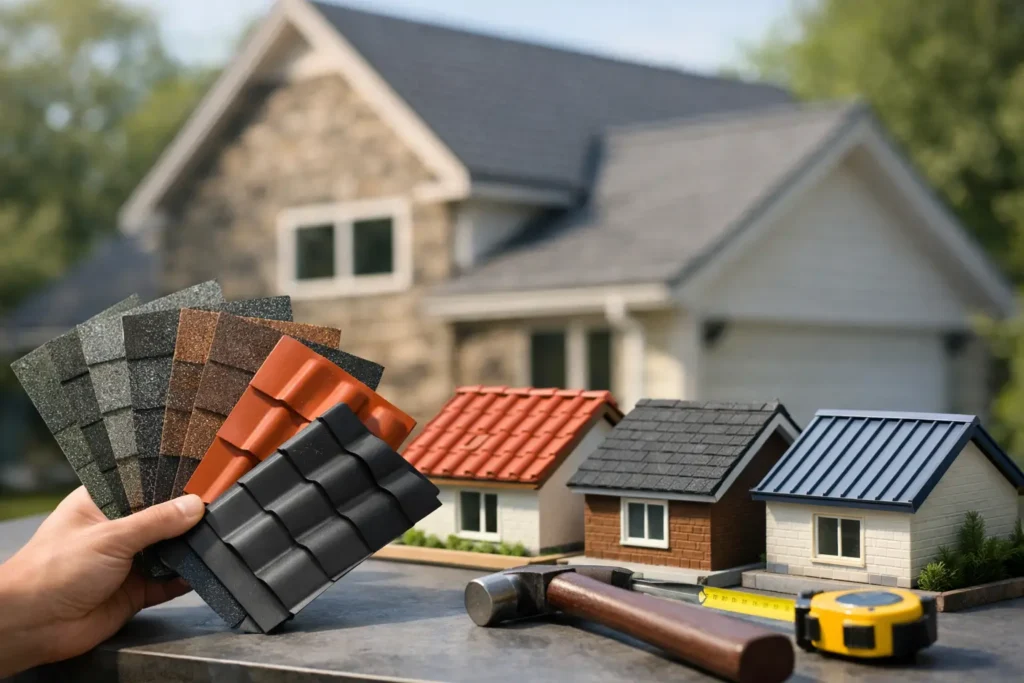
A roof can look fine from the street and still be the wrong fit for the house underneath it. That is usually what homeowners find out after a few harsh seasons, a spike in energy bills, or repairs that start showing up too often. If you are wondering how to choose roofing material, the right answer is not about picking the most expensive option or the one your neighbor used. It is about matching the material to your home, your budget, and the weather it has to handle year after year.
In Southern Alberta, that decision matters even more. Wind, hail, snow, temperature swings, and strong sun all put roofing materials to the test. A roof is not just a design choice. It is part of your home’s protection system, and the best material is the one that performs well in real conditions, not just on a brochure.
How to choose roofing material without guessing
The simplest way to approach roofing is to think about performance first and appearance second. Curb appeal matters, but durability, maintenance, and long-term value matter more once the roof is installed.
Start with the age and structure of your home. Some materials are heavier than others, and not every roof system is ideal for every house. Then consider how long you plan to stay in the property. If this is your long-term home, it often makes sense to spend more upfront for a longer-lasting material. If you are preparing to sell within a few years, the decision may lean more toward appearance, affordability, and broad buyer appeal.
Budget is part of the conversation, but it should not be the only factor. A lower initial price can still cost more over time if the material needs frequent repairs or earlier replacement. The better question is not just what the roof costs today, but what it is likely to cost across 20 to 40 years.
Climate should lead the decision
Homeowners sometimes compare roofing products as if they all face the same conditions. They do not. A roofing material that performs well in one region may not be the best choice in another.
For homes in areas with strong wind and hail exposure, impact resistance and secure installation matter a great deal. In snowy climates, shedding snow properly and handling freeze-thaw cycles become more important. In places with intense sun exposure, fading, heat absorption, and surface wear can affect both appearance and performance.
That is why climate should lead the process when deciding how to choose roofing material. You want a system that can handle the local weather pattern without becoming a constant maintenance project. This is one reason working with a contractor who understands regional conditions can save you from a costly mismatch.
Asphalt shingles: practical and widely trusted
Asphalt shingles are still the most common roofing material for a reason. They are cost-effective, available in many styles and colors, and suitable for a wide range of homes. For many homeowners, they offer the best balance of price, protection, and curb appeal.
They are also easier to repair than some premium systems, which matters after storm damage or normal wear. That said, not all asphalt shingles are equal. Better products typically offer stronger wind ratings, better algae resistance, and improved impact performance.
The trade-off is lifespan. While asphalt roofs can last for many years when properly installed and maintained, they generally do not last as long as metal. If your main goal is affordability with solid all-around performance, asphalt is often the right place to start.
Metal roofing: longer life, different investment
Metal roofing appeals to homeowners who want durability and lower long-term maintenance. It tends to last longer than asphalt and can stand up well to tough weather when installed correctly. It also offers a clean, distinctive look that fits many home styles, from traditional to modern.
The biggest drawback is upfront cost. Metal typically requires a larger initial investment, and that can be hard to justify if you are only looking at the short term. It can also sound different during rain or hail, though proper roof assembly helps reduce that issue.
Still, for homeowners planning to stay put and invest in long-term protection, metal often makes sense. It is not the right choice for every budget, but it can be the right value over time.
Appearance matters, but only after function
Most homeowners do care how the roof looks, and they should. Roofing plays a major role in curb appeal. The color, texture, and profile of the material can either support the style of the house or work against it.
The key is to treat appearance as a filter, not the first decision. Narrow the options based on performance, then choose the style that fits your home. A beautiful roof that wears out too quickly or struggles in local weather is not really the better-looking option in the long run.
It also helps to think about the whole exterior. Roofing should complement siding, trim, gutters, and stone or brick elements rather than compete with them. A cohesive exterior usually adds more value than chasing a roofing trend that may not age well.
Maintenance expectations should be realistic
Some homeowners are comfortable with occasional upkeep. Others want the lowest-maintenance option possible. Neither approach is wrong, but it does affect which material is a better fit.
Asphalt roofing is generally straightforward to maintain, but it may need more attention over time as it ages. Metal roofing is often chosen for its lower maintenance demands, but that does not mean no maintenance at all. Flashing, seal points, ventilation, and surrounding exterior systems still need periodic inspection.
This is where honest planning matters. If you know you do not want to think much about the roof once it is installed, lean toward materials and systems known for longevity and lower upkeep. If your priority is keeping upfront costs down, be prepared for the possibility of a shorter replacement cycle.
Installation matters as much as the material
One of the biggest mistakes homeowners make is comparing material options while overlooking installation quality. Even a premium roofing product can fail early if it is installed poorly. Ventilation, underlayment, flashing, fastening methods, and edge details all affect how the roof performs.
That is why choosing the right contractor is part of choosing the right roofing material. A good contractor will explain what fits your home, not just what they prefer to sell. They should also account for attic ventilation, drainage, and nearby exterior components so the roof works as part of a complete system.
At HighLow Roofing & Exteriors, that practical approach matters because roofing decisions affect more than just the shingles or panels on top of the house. Gutters, soffit, fascia, and overall water management all play a role in protecting the home and extending the life of the roof.
Think about value, not just price
If two roofing estimates are far apart, the lower number can be tempting. But materials, workmanship, warranty coverage, and system details may be very different. Price alone does not tell you which roof is the better deal.
The better lens is value. Ask how long the roof is expected to last, what kind of maintenance it may need, how it performs in local weather, and what protections are included in the installation. A roof that costs more upfront but performs better for decades can be the smarter financial choice.
Financing can also change the decision. If a more durable system is within reach through a manageable payment plan, some homeowners find it makes more sense than installing a lower-cost roof they may have to replace sooner.
When to get professional guidance
If your roof is aging, has storm damage, or you are planning a full exterior upgrade, it is worth getting a professional opinion before settling on a material. A good inspection can reveal issues that affect the recommendation, such as ventilation problems, decking concerns, drainage trouble, or structural limitations.
That guidance should feel clear, not pressured. The goal is to understand what your home needs and which material lines up with your priorities. Sometimes the answer is asphalt. Sometimes it is metal. Sometimes the right recommendation depends on balancing budget, lifespan, and appearance in a way that fits your household.
A good roof should give you confidence every time the weather turns. If you take the time to choose the material based on real performance, honest budget planning, and skilled installation, you are far more likely to end up with a roof that protects your home well and looks right doing it.