
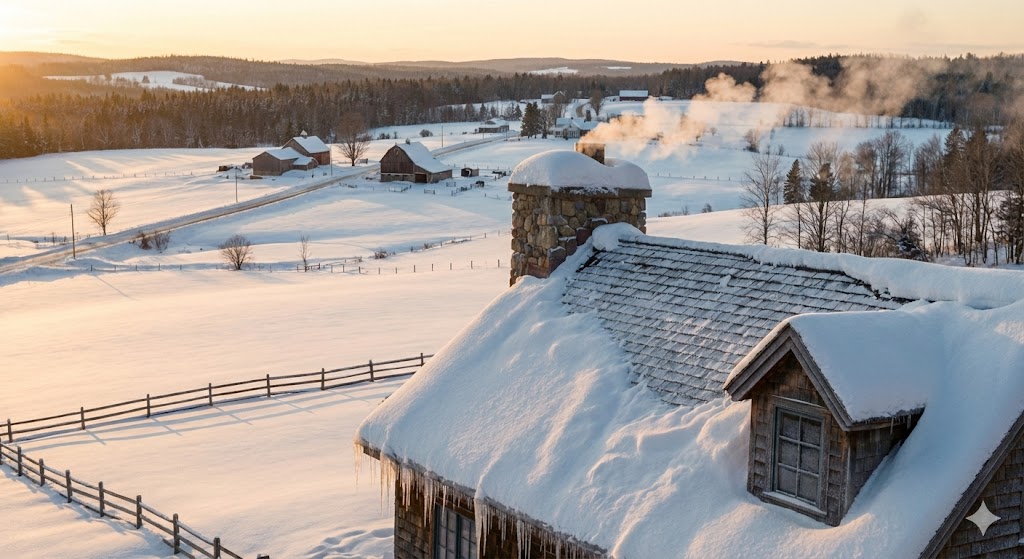
Winter roof care in Southern Alberta is beautiful — until it isn’t. Between chinook-driven temperature swings, heavy snow, and severe hailstorms, roofs here take a beating. The good news? If you know what to look for, you can stop small problems from turning into big, expensive repairs. Below is a thorough, homeowner-friendly guide to the seven early warning signs your roof may be failing this winter — plus what to do about each sign, practical prevention tips, and when to call the pros.
Why Southern Alberta roofs need special attention
Southern Alberta experiences dramatic weather cycles: rapid warming from chinook winds, freeze–thaw cycles, and periodic intense hailstorms. These forces expand, contract, and sometimes violently strike roofing materials — accelerating wear and creating failure points you may not notice at first glance.
Quick safety note before we begin
If you see active leaks, large sagging sections, or major ice buildup that’s putting weight on structures — don’t climb on the roof. Call a qualified roofer. Winter conditions make DIY roofing dangerous.
The 7 early warning signs your roof is failing
Each of the following signs can be an early indicator of larger roof problems. I’ll explain what to look for, why it matters in a Southern Alberta winter, short-term fixes you can do safely, and when to call High Low Roofing (or your local roofing pro).
1) Missing, lifted, or curled shingles
What to look for
- Shingles that are cracked, curled at the edges, or completely missing.
- Loose shingles flapping in the wind or found on the ground around your house.
Why it matters in Southern Alberta
Strong winds (including chinooks) and hail can loosen and lift shingles, exposing the underlayment and deck to moisture. Once shingles are compromised, water penetration during thaw cycles or heavy snow melt becomes much easier.
Quick (safe) checks and short-term fixes
- From the ground, scan your roof after a storm for obvious missing or lifted shingles.
- Secure loose shingles only if you can access them safely (and from a stable ladder), otherwise call a pro.
- Keep gutters clear so water drains and doesn’t pool near compromised areas.
When to call a professional
Call a roofer if large sections of shingles are missing, or if multiple shingles show curling/cracking — these are signs the roof may be nearing the end of useful life or needs immediate repair.
2) Excess granule loss / bald spots on shingles
What to look for
- Granules in gutters or downspouts.
- Dark, peppered, or shiny spots on shingles where the granules are gone.
Why it matters
Granules protect shingles from UV and help them shed water. When granules wear off — from hail, freeze–thaw cycles, or aging — the shingle becomes brittle and more likely to fail during winter stress.
What to do
- Check gutters for heavy granule deposits after storms.
- If granule loss is significant, arrange a professional inspection — it’s often a sign a replacement is coming sooner rather than later.
3) Interior stains, peeling paint, or visible water trails on ceilings/walls
What to look for
- Brown stains or damp patches on ceilings or walls, especially near exterior walls or under roof valleys.
- Paint bubbling or textured finishes peeling.
Why it matters
Visible interior water marks mean water has already breached the roofing system and is tracking into the home. In winter, trapped moisture can freeze and expand, worsening the damage rapidly.
Immediate actions
- Move valuables away from stained areas.
- Place a bucket beneath active drips and gently collect leaking water.
- Contact a roofer immediately — interior leaks almost always need professional diagnosis and repair.
4) Ice dams, heavy icicles, or frozen gutters
What to look for
- Thick ridges of ice forming at the eaves.
- Icicles hanging off the gutters or eave edges.
- Ice-filled gutters or downspouts not draining.
Why it matters (and local context)
Ice dams form when heat from inside the house melts the snow on upper roof areas but the eaves stay cold, causing meltwater to re-freeze at the edge and block drainage. Southern Alberta’s freeze–thaw cycles and rapid temperature shifts (chinooks) make ice dams a frequent winter hazard. If water backs up behind an ice dam it can get under shingles and leak into ceilings and walls. Prevention focuses on attic insulation, ventilation, and proper drainage.
Safe short-term options (do NOT chip away at ice)
- Use a long-handled roof rake from the ground to remove the bulk of snow after storms.
- Do not smash ice dams with a hammer — this can damage roofing and gutters.
- For stubborn ice dams, call a professional who can use steam or safe de-icing techniques.
Long-term prevention
- Improve attic insulation and seal air leaks to keep the roof cold.
- Ensure adequate soffit-to-ridge ventilation. These are the three keys to reducing ice dams.
5) Damaged or missing flashing and compromised seals around chimneys, vents, and skylights
What to look for
- Exposed flashing, gaps around chimneys, or cracked sealant around roof penetrations.
- Rusted or bent flashing metal.
Why it matters
Flashing seals junctions where water likes to sneak in. When flashing fails during winter, melting snow or heavy rain can find direct pathways into the attic and home.
What to do
- Inspect for gaps around chimneys and vent stacks from the attic or safely from the ground.
- Small cracks in sealant can sometimes be resealed, but bent or missing flashing usually needs a professional replacement.
6) Sagging roof deck or soft spots in the attic
What to look for
- Visible droop from the curbside profile of the roof.
- Soft, spongy spots when walking in the attic (only walk on joists or use caution).
Why it matters
A sagging deck often signals structural rot or prolonged water infiltration. In winter, added weight from snow and ice can accelerate collapse risk — this is an urgent red flag.
Immediate next steps
- If you suspect structural issues, evacuate any rooms beneath the sagging area and call a professional immediately. Don’t put yourself at risk by walking on a compromised roof.
7) Excessive attic condensation, mold, or frost inside the attic
What to look for
- Frost accumulations on the underside of the roof sheathing in the morning.
- Visible mold growth or a musty attic smell.
- Rust on metal roof fasteners.
Why it matters
Moisture from inside the home or poor ventilation can condense in the attic, freeze, and cause wood rot and mold. Over time, this undermines the roof structure and leads to leaks and insulation failure.
Fixes and prevention
- Improve attic ventilation and increase insulation levels to control moisture and temperature.
- Ensure bathroom and dryer vents exhaust outdoors, not into the attic space.
Winter roof care and maintenance checklist — simple, effective, and local
- Clear gutters and downspouts in late fall and again after heavy wind/hail events.
- Use a roof rake to remove excess snow after big snowfalls — don’t leave deep snow packs all winter.
- Inspect from the ground after every major storm: look for missing shingles, debris, and large icicles.
- Schedule an annual professional inspection in early fall (or right before freeze-up).
- Keep trees trimmed away from the roof to reduce storm and hail damage.
- Document damage with photos for insurance after hail or storm events.
Hail, climate trends, and insurance — what Southern Albertans should know
Southern Alberta has experienced major hail events in recent years, with large insured losses after severe hailstorms. Hail can bruise, crack, or remove shingle granules and often appears as “hidden” damage that becomes worse during winter. If you suspect hail damage after a storm, document it and contact your insurer promptly — many policies require timely reporting. Get an roof replacement estimate.
Do’s and Don’ts for homeowners this winter
Do
- Do schedule a professional roof inspection if you notice any of the seven signs.
- Do keep gutters clear and remove heavy snow with a roof rake.
- Do document damage after storms for insurance claims.
Don’t
- Don’t climb onto icy roofs — it’s dangerous.
- Don’t chip at ice dams or snow with heavy tools.
- Don’t delay an inspection if you notice interior water stains or sagging.
When should you repair vs. replace?
- Repair if the damage is localized (small leak, a few missing shingles, minor flashing failure).
- Replace if you have widespread granule loss, recurrent leaks across the roof, extensive hail damage, or if the roof is near the end of its expected lifespan (commonly 15–25 years for many asphalt shingle roofs, depending on product and climate). A professional inspection will tell the full story.
What a professional inspection usually includes
- Exterior roof survey for shingle condition, flashing, and drainage.
- Attic inspection for ventilation, insulation, and signs of leaks or rot.
- Moisture detection and infrared scanning if warranted.
- A written report with photos, recommended repairs, and cost estimates.
FAQ (quick answers)
Q: Can I prevent ice dams completely?
A: Not always, but the best prevention is good attic insulation, proper ventilation, and clear gutters. These measures greatly reduce the risk.
Q: Is hail damage obvious right away?
A: Sometimes yes, sometimes no — some hail damage is subtle (granule loss or bruising) and only shows during later thaw cycles or under close inspection. Photograph and report suspected hail damage quickly.
Q: Will my insurance cover winter roof damage?
A: Standard homeowner policies typically cover sudden storm-related damage (e.g., wind, hail), but coverage depends on your policy. Document damage, contact your insurer promptly, and keep receipts for emergency measures.
Final tips — simple things that save you money
- Keep an annual habit: inspect gutters, clear vents, and look for granules after storms.
- Address small problems right away — patching a few shingles now avoids ripping off and replacing the whole deck later.
- Invest in attic insulation and ventilation — it’s one of the best long-term defenses against winter roof failure.
Need a hand? We’ve got you covered
If any of the signs above match what you’re seeing, reach out to High Low Roofing for a fast, professional inspection. We’ll assess the problem, give you a clear plan, and help you with insurance documentation if needed.
Contact us for a winter roof check — don’t wait until the thaw reveals a bigger problem.