
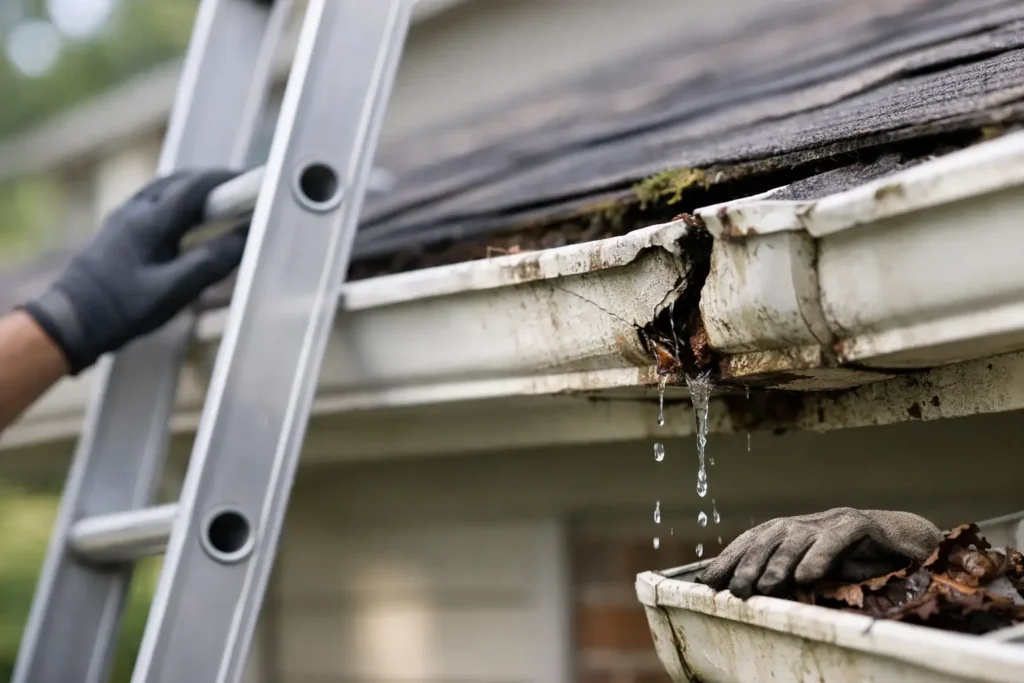
A gutter problem usually does not start with the gutter. It starts with a stain on the siding, a patch of soil washed out below a corner, or ice building up where it should not. If you are wondering when to replace house gutters, the real question is whether your current system is still moving water away from your home the way it should.
In Southern Alberta, that question matters. Gutters deal with heavy rain, wind, snow, freeze-thaw cycles, and the kind of seasonal swings that can expose weak spots fast. A gutter system does not have to be falling off the house to be failing. Sometimes the warning signs are subtle at first, then expensive later.
When to replace house gutters instead of repairing them
Repairs make sense when the problem is isolated. One loose hanger, a short section with minor damage, or a single leaking joint can often be fixed without replacing the full system. But there is a point where another repair only delays the bigger job.
If your gutters are pulling away in multiple areas, showing rust or corrosion, leaking at several seams, or sagging enough to hold standing water, replacement is usually the smarter investment. The same is true when the fascia behind the gutters has started to rot. At that stage, the issue is no longer cosmetic. Water is already getting where it should not.
Age also matters. Many older sectional gutter systems can give decent service for years, but once you are seeing repeated trouble across the system, patching each problem one by one often costs more over time than installing new gutters properly.
The clearest signs your gutters are done
Some gutter issues are easy to spot from the ground. Others only become obvious after damage spreads to nearby parts of the home.
Cracks, holes, and split seams
Small cracks tend to grow. A little leak may not seem urgent, but water rarely stays contained. It runs down fascia boards, behind siding, and into soffit areas. If you are seeing multiple cracks or recurring leaks at seams, replacement is often more reliable than sealant and repeat repairs.
Sagging or pulling away from the house
Gutters should follow the roofline closely and drain with a slight pitch. When sections sag or detach from the fascia, water collects instead of flowing. That extra weight makes the problem worse, especially after storms or during spring melt.
If the fastening points are failing in several places, there is a good chance the system has reached the end of its useful life or the wood behind it has weakened.
Rust, peeling finish, or visible corrosion
For metal gutters, rust is more than surface wear. It is a sign the material is breaking down. Peeling paint or an oxidized finish can also point to long-term moisture exposure and deterioration. Once corrosion spreads, repairs become less dependable.
Water pooling around the foundation
This is one of the biggest red flags. The purpose of gutters is to control roof runoff and move it away from the house. If water is collecting near the foundation, washing out mulch or soil, or showing up in the basement, the gutter system may be undersized, damaged, clogged beyond practical maintenance, or simply worn out.
Repeated ice and overflow problems
Not every winter gutter issue means replacement is needed. Sometimes the cause is attic ventilation, insulation, or localized blockage. But if your gutters routinely ice over, bend under weight, or overflow during thaw cycles, it may be time to look at the whole water-management setup instead of one seasonal repair at a time.
How long gutters usually last
There is no universal expiration date, because material, installation quality, maintenance, and weather exposure all affect lifespan. Aluminum gutters often last around 20 years or more with proper care. Steel can be durable but may be more vulnerable to rust over time. Vinyl tends to be less expensive, but it generally does not hold up as well in climates with harsh freeze-thaw cycles.
That said, age by itself should not make the decision. A well-installed system that is maintained properly may outlast expectations. On the other hand, poorly pitched or low-quality gutters can start giving trouble much earlier. The better question is not just how old they are, but how they are performing now.
Repair or replace? It depends on the pattern
Homeowners often ask whether they can get one more season out of their gutters. Sometimes the answer is yes. Sometimes that extra season leads to fascia repair, soffit damage, siding stains, or foundation drainage issues.
A good rule of thumb is to look at the pattern, not just the individual symptom. One leak can be repaired. Several leaks in different spots usually point to system-wide wear. One storm-damaged section may be replaceable. Multiple sections with sagging, corrosion, and poor drainage suggest the full system is no longer dependable.
This is also where workmanship matters. New gutters should not be treated as a quick add-on. Proper slope, secure fastening, correct downspout placement, and solid attachment to sound fascia all affect how well the system performs. If one part of the exterior is failing, nearby components should be checked too.
Why waiting too long gets expensive
Gutters are easy to ignore because they sit at the edge of the roofline and do their work quietly. But when they stop doing that work, water starts looking for other paths.
Overflow can stain siding, damage landscaping, and wear away surfaces below. Backed-up water can affect fascia and soffit boards. In colder weather, trapped water can freeze, expand, and put even more stress on hangers and joints. Over time, poor drainage near the home can contribute to basement moisture or settlement concerns.
Replacing gutters before those secondary problems develop is often the less expensive choice. It is also the better one for protecting curb appeal and preserving the value of the home.
What to look for during a gutter inspection
If you want a practical way to judge when to replace house gutters, inspect them during or right after a steady rain. That is when performance issues show up most clearly.
Watch whether water runs smoothly to the downspouts or spills over the edges. Look for drips at seams, corners, and end caps. Check whether any section appears to bow under water weight. Walk the perimeter and look at the ground below for washout, puddling, or splash marks on siding.
You should also look at the trim behind the gutters. Soft wood, peeling paint, or dark staining on fascia can signal ongoing moisture problems. Even if the gutter itself still looks passable, the system may already be affecting the structure around it.
Choosing replacement at the right time
The best time to replace gutters is before active leaks turn into broader exterior damage. Many homeowners wait until spring storms or fall debris make the problem impossible to ignore, but planning replacement earlier gives you more flexibility and helps avoid emergency work.
If you are already replacing the roof, fascia, or soffit, that can also be the right time to address the gutters. Exterior systems work together, and handling them in a coordinated way often leads to better long-term performance. It also helps ensure the new gutters are attached to sound materials and matched properly to the roofline and drainage needs of the home.
For homeowners in Lethbridge and across Southern Alberta, climate should be part of that timing. A gutter system that is marginal in mild weather may struggle badly during freeze-thaw periods, snowmelt, and driving rain. Planning ahead is usually better than reacting after visible damage shows up.
A new gutter system should do more than look clean
Replacement is not just about getting rid of old metal or patching up weak spots. A quality gutter system should move water efficiently, hold up to local weather, and protect the roof edge, siding, and foundation over the long run.
That means the right size, the right placement, and installation that accounts for the home as a whole. At HighLow Roofing & Exteriors, that practical, whole-home view is what matters most. Gutters are not a small detail. They are part of how your exterior protects everything underneath it.
If your gutters are leaking in multiple places, sagging, rusting, or letting water collect where it should not, it is probably time to stop paying for temporary fixes and start thinking about lasting protection.