
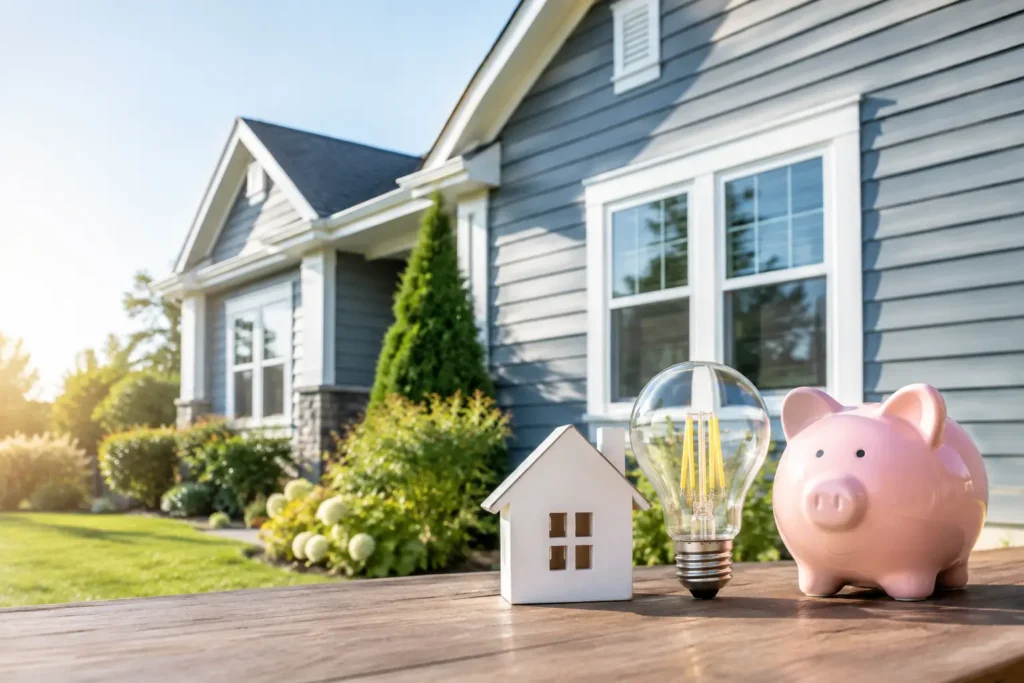
A cold wall is more than an inconvenience when a Southern Alberta winter settles in. It can make rooms feel drafty, force the furnace to run longer, and leave homeowners wondering where their heating dollars are going. So, can siding reduce energy bills? It can, but the biggest savings usually come from the complete wall system behind and around the siding, not from the visible material alone.
For homeowners planning an exterior upgrade, that distinction matters. New siding can be an opportunity to address insulation gaps, air leaks, moisture concerns, and damaged exterior details at the same time. Done properly, it can improve comfort, protect the structure, and help reduce the energy your home needs to stay warm in winter and comfortable through warmer weather.
Can Siding Reduce Energy Bills in a Meaningful Way?
Siding is your home’s first line of defense against wind, rain, snow, sun, and temperature swings. By itself, most siding has limited insulating value. Its real energy benefit comes from helping create a well-built exterior assembly that controls airflow and protects the insulation inside the walls.
When old siding is cracked, loose, warped, or poorly sealed around windows and doors, cold air can find its way into the wall assembly. Wind can also reduce the effectiveness of some insulation materials through a process often called wind washing. Replacing worn siding gives your contractor access to the exterior wall, where issues such as damaged sheathing, missing insulation, failed flashing, and gaps around openings can be identified and corrected.
The result may not be a dramatic utility-bill drop overnight, especially if the attic, windows, or heating system are the bigger sources of energy loss. Still, homeowners often notice more even indoor temperatures, fewer drafts near exterior walls, and less strain on their heating and cooling equipment. Those improvements can add up over the life of the siding.
The Parts of a Siding Project That Affect Efficiency
A quality siding installation is not simply a matter of fastening new panels to the outside of a home. The materials behind the siding and the workmanship at transitions play a major role in how the wall performs.
Insulation added beneath the siding
Installing continuous exterior insulation during a siding replacement can help reduce thermal bridging. Thermal bridging happens when heat moves through framing members more easily than it moves through insulated wall cavities. Since wood framing repeats throughout every exterior wall, this can account for a meaningful amount of heat loss.
Rigid foam or mineral wool insulation installed on the exterior may improve the wall’s overall R-value while helping interior surfaces feel warmer. The right product and thickness depend on the home’s construction, the local climate, moisture-management requirements, and how details around windows, doors, rooflines, and trim will be handled. More insulation is not automatically better if it creates poor drainage or forces shortcuts at important flashing points.
Air sealing around openings and penetrations
Small gaps can have an outsized effect on comfort. Areas around windows, doors, vents, utility lines, hose bibs, and exterior light fixtures deserve close attention during a siding project. Proper air sealing can limit unwanted drafts without trapping moisture in the wall.
This work needs a careful approach. A house needs controlled ventilation, but it should not rely on random leaks through exterior walls for fresh air. The goal is a tighter, better-managed building envelope, not a wall that ignores drainage and ventilation needs.
A weather-resistant barrier and drainage plane
Behind siding, a weather-resistant barrier helps keep wind-driven rain away from the wall sheathing. Depending on the siding material and wall design, a drainage gap or rainscreen may also be needed to allow water to drain and the wall to dry.
This may not sound like an energy upgrade, but it is closely connected. Wet insulation does not perform as well as dry insulation, and moisture damage can create gaps, rot, and expensive repairs that compromise the entire exterior. A durable wall is more likely to remain an efficient wall.
Proper flashing and exterior details
Siding has to integrate with windows, doors, soffit, fascia, roofs, and gutters. If those transitions are not properly flashed and sealed, water and air can bypass the new exterior finish.
This is one reason homeowners benefit from working with an exterior contractor who sees the full system. A siding replacement is a good time to inspect the condition of adjacent components and make sure water is being directed away from the home as intended.
Which Siding Materials Help Most?
No siding material can compensate for inadequate insulation or poor installation. Still, material choice affects maintenance, durability, and how well the exterior holds up against Southern Alberta weather.
Insulated vinyl siding includes a foam backing that can add modest R-value and improve the feel of the wall surface. It can be a practical option for homeowners who want low maintenance and some additional thermal benefit. Its performance depends heavily on proper installation and a flat, sound wall beneath it.
Fiber cement siding is valued for durability, appearance, and resistance to many weather-related concerns. It does not provide substantial insulation on its own, but it can be part of an energy-conscious wall system when paired with quality housewrap, insulation, flashing, and installation practices.
Engineered wood and traditional wood siding can offer a warm, classic look, but they require appropriate moisture management and maintenance. Metal siding is another durable option, particularly for homeowners seeking a crisp, modern finish. As with fiber cement, its energy performance comes primarily from the layers behind it rather than the metal panel itself.
The best choice is rarely about chasing the highest advertised R-value. It is about selecting a material that fits the home’s design, budget, maintenance expectations, and exposure to wind, hail, snow, and sun, then installing it with the details that protect the structure for years.
When New Siding Is Most Likely to Lower Energy Use
A siding project has the strongest efficiency potential when there is an existing problem to solve. Older homes with little or no exterior insulation, visible drafts, deteriorating siding, or recurring moisture issues are often strong candidates for a more complete wall upgrade.
It can also make sense when siding replacement is already necessary. Once old materials are removed, adding insulation or repairing the weather barrier is usually more practical than trying to revisit those areas later. Combining needed repairs with efficiency improvements can make better use of the project budget.
On the other hand, homeowners should keep expectations realistic. If the attic is underinsulated, the basement rim joist leaks air, or windows are severely worn, siding may not be the first improvement that delivers the largest return. A knowledgeable contractor can help identify where the home is losing energy before recommending a scope of work.
Signs Your Exterior Walls May Need Attention
Your home may be telling you that the siding system is no longer doing its job. Cold spots along exterior walls, rooms that are difficult to keep at a consistent temperature, peeling paint, loose or cracked siding, and staining near windows are all reasons to investigate further.
Higher utility bills can be another clue, though they are not proof by themselves. Energy costs can rise because of weather, utility rates, furnace performance, attic insulation, or household habits. The useful question is not simply whether bills have increased, but whether the home has signs of air leakage, moisture intrusion, or aging exterior materials that deserve attention.
A professional exterior assessment should look beyond curb appeal. It should consider the siding condition, wall substrate, flashings, trim, soffit and fascia, gutters, and the way those elements work together to manage water and protect the home.
Make the Investment Work Harder
If you are replacing siding, ask detailed questions about what will happen behind the new material. Will damaged sheathing be repaired? Is there an opportunity to add exterior insulation? How will window and door openings be flashed? What steps will be taken to control air leaks and allow moisture to drain?
The lowest upfront price is not always the best value if it leaves hidden problems untouched. Good materials and skilled craftsmanship help prevent callbacks, protect the home from weather, and support long-term comfort. They also give you a clearer picture of what you are paying for and why it matters.
For Lethbridge and Southern Alberta homeowners, a siding upgrade is often about more than a fresh exterior. It is a chance to strengthen the home against demanding weather while improving the comfort your family feels every day. A careful assessment from a dependable local exterior professional can help you decide whether new siding, added insulation, or a broader exterior repair plan will make the most practical difference.