
Table of Contents
- Does Siding Replacement Increase Home Resale Value?
- Siding Replacement Return on Investment: What Homeowners Actually Recover
- Best Siding Materials for Resale Value
- Signs Siding Needs Replacement Before a Home Sale
- Siding Repair vs. Replacement Before Selling: Making the Right Choice
- How Siding Condition Affects Buyer Perception and Negotiations
- Timing Your Siding Replacement for Maximum Resale Impact
- Frequently Asked Questions
Last Updated: October 11, 2026
Does Siding Replacement Increase Home Resale Value?
When selling your home, every dollar counts. Understanding whether does siding replacement increase home resale value matters because it shapes your renovation budget and timeline.
The short answer: yes, but not always dollar-for-dollar. Your return depends on the materials you choose, your local market conditions, and how the work is executed.
Siding Replacement Return on Investment: What Homeowners Actually Recover
Siding replacement typically recovers 75-85% of its investment when conditions are right. Understanding your actual return requires three steps: calculating your true project cost, comparing your home to recent sales, and factoring in buyer perception shifts.
How to Calculate Your Location-Specific ROI
Start with your total installed cost, including materials, labor, permits, and disposal. Pricing depends on material choice and local labor rates.
Next, research comparable sales in your neighborhood from the past 90 days. Note which homes had new siding and which didn’t. If a comparable home with fresh siding sold for $15,000 more than a similar home with aging siding, that’s your local market signal.
Estimated resale value gain = (Comparable price difference) × (Likelihood your siding condition matches the comparison)
If your siding is visibly damaged or 25+ years old, the comparable difference is more likely to apply to you. If your siding is already decent, the gain may be smaller.
When Recovery Rates Are Highest
The 75-85% recovery rate improves when:
- Your current siding is visibly damaged, faded, or outdated (buyers see an obvious problem you’ve solved)
- The neighborhood values well-maintained exteriors (newer suburban areas, active HOAs)
- You choose mid-range materials (vinyl or fiber cement over premium wood)
- The installation is professional and clean (no visible gaps, consistent color, proper flashing)
- Your home’s siding condition was a documented inspection concern or negotiation point in similar recent sales
When Recovery Rates Drop
The recovery rate falls when:
- You over-upgrade for your market (premium materials in a modest neighborhood where vinyl is the norm)
- Your siding was already in decent condition (a cosmetic upgrade rather than a necessary repair)
- The work is visible and appears rushed or incomplete (mismatched colors, poor trim work)
- Your neighborhood’s average home age is 10-15 years and buyers expect original siding to still be serviceable
- You’re selling in a buyer’s market where price negotiation is aggressive
Beyond Resale: The Hidden Value
The real value of new siding goes beyond resale price. It reduces maintenance headaches (no more caulking, repainting, or patching), improves energy efficiency (modern siding with proper insulation reduces heating and cooling costs), and gives you peace of mind knowing your home is protected from Alberta’s freeze-thaw cycles and hail. Buyers notice these benefits, even if they don’t translate to a dollar-for-dollar return. A home that requires no exterior work in the next 10 years is worth more to a buyer than one that will need repairs within 3-5 years, even if the upfront price is identical.
Best Siding Materials for Resale Value
Different materials send different signals to buyers. Your choice affects both the upfront cost and how much value buyers perceive in your home.
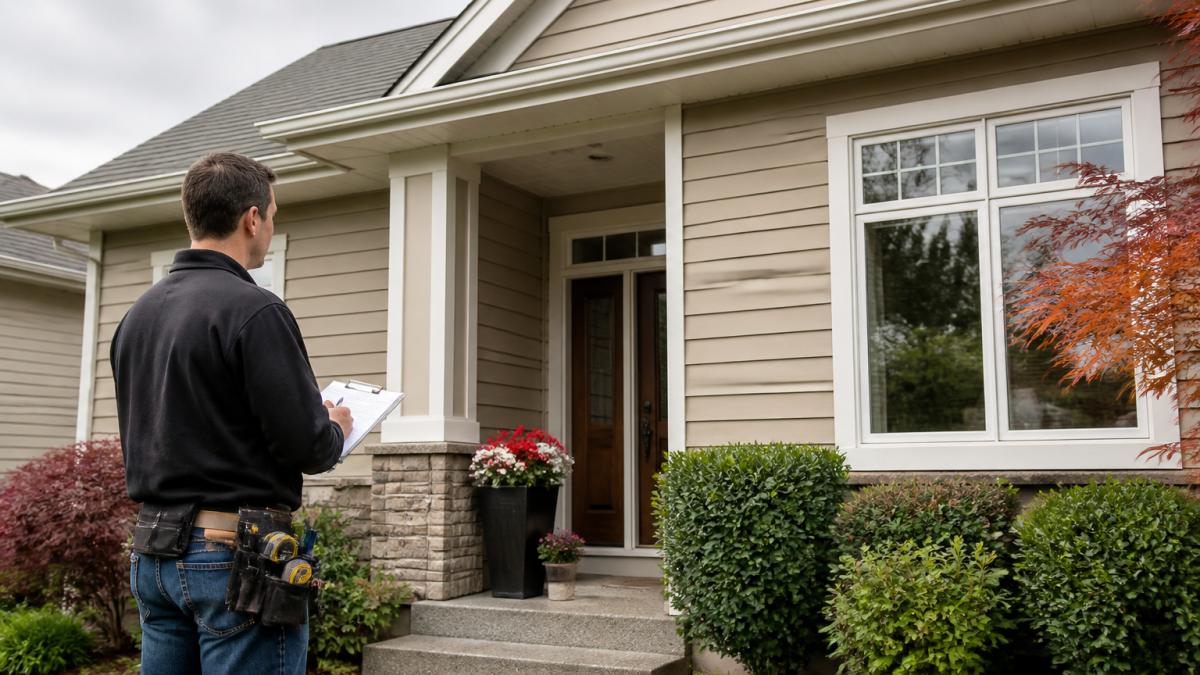
Vinyl Siding: Affordability and Curb Appeal
Vinyl siding is the most popular choice for resale value in Alberta. It’s affordable, requires minimal maintenance, and comes in dozens of colors and styles. Vinyl typically recovers 80-85% of its installation cost and works especially well if your home’s siding was damaged or severely faded. The downside: vinyl doesn’t feel premium to all buyers, and its 20-30 year lifespan is shorter than fiber cement.
Fiber Cement Siding: Durability and Long-Term Appeal
Fiber cement offers a middle ground between affordability and premium appeal. It’s more durable than vinyl, resists weather damage better, and has a more upscale appearance. Fiber cement typically recovers 75-80% of its cost. In Alberta’s climate, fiber cement’s resilience appeals to practical homeowners. The trade-off: fiber cement needs occasional repainting or re-staining, while vinyl doesn’t.
Wood Siding: Premium Aesthetics with Maintenance Demands
Real wood siding looks beautiful but requires regular maintenance, painting, staining, and repairs. Wood typically recovers only 60-70% of its cost at resale. Buyers often view wood as a liability due to anticipated maintenance costs. For most homeowners looking to maximize resale value quickly, wood is a poor investment.
| Material | Recovery Rate | Best For | Maintenance Level |
|---|---|---|---|
| Vinyl | 80-85% | Most homes, quick ROI | Low |
| Fiber Cement | 75-80% | Quality-conscious buyers | Medium |
| Wood | 60-70% | Heritage/premium homes only | High |
Signs Siding Needs Replacement Before a Home Sale
Certain siding conditions actively hurt your resale value. If any of these apply, replacement (not repair) is worth considering before listing.
Visible damage signals problems to buyers:
- Cracks, splits, or chunks missing from panels
- Soft spots or areas that feel spongy (moisture damage)
- Paint peeling or fading across large sections
- Gaps between panels or around trim
- Visible mold, mildew, or discoloration
- Faded or outdated colors
- Warping or buckling panels
- Stains or water marks suggesting poor drainage
When buyers see these issues during inspection, they worry about hidden damage and demand price reductions. New siding eliminates that concern.
Minor cosmetic wear (slight fading, small dents) doesn’t justify replacement. A fresh coat of paint or targeted repairs are enough. But widespread damage or deterioration signals that replacement is the right move.
Siding Repair vs. Replacement Before Selling: Making the Right Choice
Choose repair when:
- Damage is localized (one or two panels, one wall section)
- The rest of the siding is in good condition
- The siding style matches what’s still available
Choose replacement when:
- Damage is widespread (multiple walls, many panels)
- The siding is 20+ years old
- The current siding style is outdated
- Buyers in your market expect newer exteriors
If you’re repairing more than 20% of your siding, replacement usually makes sense. Patchwork repairs look temporary; a complete new exterior looks intentional and professional. HighLow Roofing & Exteriors can assess your siding and help you decide.
How Siding Condition Affects Buyer Perception and Negotiations
Siding is one of the first things buyers see. It shapes their impression before they step inside.
Poor siding condition triggers inspection concerns. Buyers assume: if the exterior is neglected, what about the roof, gutters, and foundation? One visible problem plants doubt about the entire property. They’ll hire an inspector who will scrutinize every detail, looking for more issues.
Good siding sends the opposite message: this home has been maintained. Buyers feel confident the owner cared for the property. They’re less likely to demand price reductions or request extensive repairs.
In negotiations, siding condition affects:
- Opening offer: homes with fresh siding get higher initial offers
- Inspection requests: poor siding triggers more repair demands
- Appraisal: appraisers factor siding condition into value estimates
- Financing: some lenders require siding repairs before approving a mortgage
New siding removes these friction points. Buyers see a well-maintained home and are willing to pay accordingly.
Timing Your Siding Replacement for Maximum Resale Impact
When you replace your siding matters, not just for buyer perception, but for project feasibility and cost. Timing affects installation quality, contractor availability, permit processing, and your ability to address unexpected issues before listing.
The Ideal Pre-Sale Window: 4-8 Months Before Listing
If you know you’re selling, start siding replacement 4-8 months before your target listing date. This window accounts for permit delays, contractor scheduling, weather interruptions, and the discovery of hidden damage (rotted fascia, moisture barriers, or structural issues that only become visible once old siding is removed).
Here’s why this timeline matters:
- Permits: Most municipalities in Alberta require permits for exterior work. Processing times range from 2-4 weeks depending on your local authority. Starting early prevents last-minute delays.
- Contractor availability: Peak season (May-September) books up 8-12 weeks in advance. If you wait until spring to call, you may face 6-8 week delays. Booking in late winter or early spring ensures your project is scheduled before the rush.
- Hidden damage discovery: Once old siding is removed, contractors often find moisture damage, rotted trim, or insulation gaps. Addressing these takes 1-3 additional weeks. Discovering this 2 weeks before listing creates stress and cost surprises; discovering it 6 months before lets you plan and budget.
- Material settling: New siding, trim, and caulk need time to settle and weather slightly. Work completed 4-6 months before listing looks naturally maintained rather than suspiciously brand-new. Buyers are less likely to wonder “what are they hiding?”
Avoid Replacing Right Before Showing
Brand-new siding with fresh paint and pristine caulk can actually raise red flags. Buyers may assume you’re covering up a problem or that the work was done hastily. They may demand additional inspections or assume something major is wrong. Ideally, your siding should look fresh but not factory-new on showing day.
Don’t Wait Until After Listing
If your siding is visibly damaged when you list, you’ll lose buyer interest immediately. Poor siding condition triggers inspection concerns and repair requests. Price reductions follow. It’s far better to invest upfront and list with confidence.
Plan for Alberta’s Weather and Seasonal Constraints
Schedule siding replacement in late spring (May-June) or early fall (August-September). Here’s why:
Late spring (May-June):
- Temperatures are mild and stable, ideal for caulking and paint curing
- Contractors have finished spring repairs and are available
- Work completes before summer heat, which can affect adhesive and sealant performance
- Gives you 3-4 months to address any issues before listing in fall or early winter
Early fall (August-September):
- Temperatures cool, reducing stress on materials during installation
- Humidity drops, improving paint and caulk adhesion
- Work finishes before winter weather, preventing freeze-thaw damage to fresh caulk
- Allows 6-8 months of settling before spring listing season
Avoid winter (November-March):
- Cold temperatures slow curing of caulk and paint
- Snow and ice make roof access dangerous and slow work
- Contractors are less available (fewer projects, holiday schedules)
- Moisture from melting snow can compromise fresh caulk and adhesives
Avoid mid-summer (July-August):
- Heat above 30°C can cause caulk to cure too quickly, creating gaps
- High humidity can trap moisture under paint
- Contractors are fully booked; lead times extend to 10+ weeks
Coordinate with Your Real Estate Strategy
If you’re planning to list in spring (March-May), start siding replacement in September-October. This gives 5-7 months for settling and lets you address any issues discovered during removal.
If you’re planning to list in fall (September-November), start replacement in May-June. This ensures work is complete and settled by mid-summer, leaving time for touch-ups or repairs.
If you’re selling in summer (June-August), start replacement in January-February. Winter scheduling is difficult, but early booking with a contractor experienced in cold-weather installation can work. Alternatively, delay your listing to fall and start replacement in spring.
The Hidden Cost of Poor Timing
Rushing siding replacement in the final weeks before listing often results in:
- Incomplete caulking or paint touch-ups (visible to inspectors)
- Contractor shortcuts due to time pressure
- Inability to address hidden damage discovered during removal
- Buyer skepticism about installation quality
Each of these can lead to price reductions or repair credits. Investing 4-8 months of planning prevents these costs entirely.
Frequently Asked Questions
Is it worth replacing siding before selling a house?
Replacing siding before selling can be worthwhile if your current siding is visibly damaged, outdated, or deteriorating. Buyers notice exterior condition immediately, and poor siding can reduce buyer interest or lead to lower offers. However, the decision depends on the extent of damage, your timeline, and local market conditions. Minor cosmetic issues may not justify the cost, while significant damage or rot almost always warrants replacement to avoid inspection contingencies and renegotiation.
What type of siding adds the most value to a home?
Fiber cement siding typically offers the strongest resale appeal because it combines durability, low maintenance, and a premium appearance that appeals to buyers. Vinyl siding is also popular for cost-effectiveness and curb appeal, making it a practical choice for many homeowners. The best choice depends on your local market preferences, climate conditions, and your home’s architectural style. Buyers in your area may have specific expectations about siding materials and finishes.
How much does new siding increase home value?
Siding replacement doesn’t increase value by a fixed percentage, recovery depends on material choice, installation quality, local market conditions, and what you’re replacing. The real value comes from preventing buyer objections, improving curb appeal, and avoiding inspection issues that could derail a sale or trigger price renegotiation.
Should I repair or replace siding before listing my home?
Replace siding if damage is extensive, affects multiple areas, or involves rot or structural issues. Repair isolated damage if it’s minor and contained to one section. Buyers and inspectors scrutinize exterior condition carefully, and patched or mismatched repairs signal poor maintenance and raise concerns about hidden problems. A cohesive, well-maintained exterior is far more valuable than a patchwork of repairs, even if replacement costs more upfront.