
Table of Contents
- Factors Affecting Roof Replacement Cost
- Roofing Material Options for Alberta Climate
- Alternatives to Full Roof Tear Off
- How Long Does a Roof Replacement Take
- Signs You Need a New Roof
- How to Choose a Roofing Contractor
- Roof Replacement Cost in Lethbridge: What to Expect
- Frequently Asked Questions
Last Updated: October 4, 2026
Factors Affecting Roof Replacement Cost
The total roof replacement cost depends on several interconnected variables: materials, labor, roof size, pitch, and existing condition. Understanding these drivers helps you anticipate realistic figures and make informed decisions.
Roof size and square footage forms the foundation of any cost estimate. Roofing contractors measure in “squares,” where one square equals 100 square feet. A typical residential home ranges from 15 to 30 squares. The bigger your roof, the more materials and labor required, directly affecting your total roof replacement cost.
Roof pitch and structural complexity add another layer to pricing. Steep-pitched roofs require specialized safety equipment and slower installation. Multiple peaks, valleys, and dormers cost more than simple rectangular roofs because workers spend extra time cutting, fitting, and sealing around each architectural feature.
Existing roof condition and removal determines whether you’re re-roofing over the old layer or performing a full tear-off. Removal adds labor hours and disposal costs. Some contractors include tear-off in their estimates; others charge separately, so clarify this when getting quotes.
Roofing Material Options for Alberta Climate
Alberta’s climate demands roofing materials that withstand intense sun, heavy snow, hail, and temperature swings. Lethbridge experiences some of the highest average wind speeds in the province, with gusts regularly exceeding 80 km/h. Building code compliance requires roofing systems rated for wind resistance, and material choice determines whether your roof will perform safely under these conditions.
Asphalt shingles remain the most common residential choice. In Lethbridge, expect shingles rated for at least 130 km/h wind resistance. Premium architectural-grade asphalt shingles with reinforced adhesive strips hold up better under sustained wind pressure and typically last 15-25 years. Always confirm that proposed shingles meet your municipality’s wind-rating requirements, this is critical for warranty validity and insurance coverage.
Metal roofing excels in high-wind environments. Standing-seam metal panels are mechanically fastened and interlocked, resisting wind uplift far better than shingles. Metal roofs reflect heat, shed snow effectively, and resist hail impact. They typically last 40-70 years and qualify for insurance discounts in hail-prone zones.
Composite shingles blend asphalt with fiberglass or rubber polymers, resisting impact better than standard asphalt and lasting 20-30 years. They balance cost with improved performance in variable weather. However, they are heavier than asphalt and carry lower wind ratings than metal systems, so confirm structural capacity with your contractor.
Local building code and wind-rating verification should be part of every estimate conversation. Lethbridge municipal bylaws and Alberta Building Code standards specify minimum wind-resistance ratings for roofing systems. Your contractor should confirm that proposed materials and installation methods comply with these standards and that the work will pass municipal inspection.
Alternatives to Full Roof Tear Off
Not every roof problem requires complete replacement. Understanding your options prevents unnecessary spending on work you don’t actually need.
Roof overlay and re-roofing involves installing new shingles directly over existing ones without removing the old layer. This approach saves on labor and disposal costs, making it attractive upfront. However, it masks underlying deck damage you won’t discover until a future leak develops. Re-roofing also adds weight to your structure, which may exceed safe load limits depending on your home’s age and construction. Building code compliance matters here, some jurisdictions restrict overlays or require structural assessment first. This method typically extends roof life by 10-15 years rather than providing a complete reset.
Localized repairs versus full replacement becomes relevant when damage is isolated to specific areas. A few missing shingles, localized flashing failure, or damage from a fallen branch can be repaired without replacing the entire roof. If your roof is relatively young (under 15 years) and damage is confined to one section, repair makes financial sense. However, if you’re discovering multiple problem areas during inspection, the roof is likely nearing end-of-life anyway, and full replacement becomes the better long-term investment. A professional inspection reveals whether you’re dealing with isolated issues or systemic deterioration.
How Long Does a Roof Replacement Take
A typical residential roof replacement takes 2-5 days depending on size, weather, and complexity. A straightforward 20-square asphalt shingle replacement on a simple roof might finish in 2-3 days with a full crew. Larger homes, steep pitches, or complex architectural features extend the timeline to 4-5 days. Weather delays this significantly, rain halts work, and crews won’t install shingles in temperatures below freezing or above 40°C because adhesive won’t set properly.
Tear-off and disposal add 1-2 days to the overall project. If your contractor discovers deck damage during removal, repairs extend the timeline further. Material delivery timing also matters, if shingles aren’t on-site when the crew arrives, you lose a work day. Coordinating delivery before work begins prevents this delay.
Request a detailed timeline from your contractor that accounts for weather contingencies and material delivery. Ask specifically about their crew size, larger crews finish faster, but don’t assume this means better quality. Consistency and attention to detail matter more than speed.
Signs You Need a New Roof
Recognizing when your roof has reached end-of-life prevents catastrophic failures and water damage. Several visible and structural indicators signal replacement time.
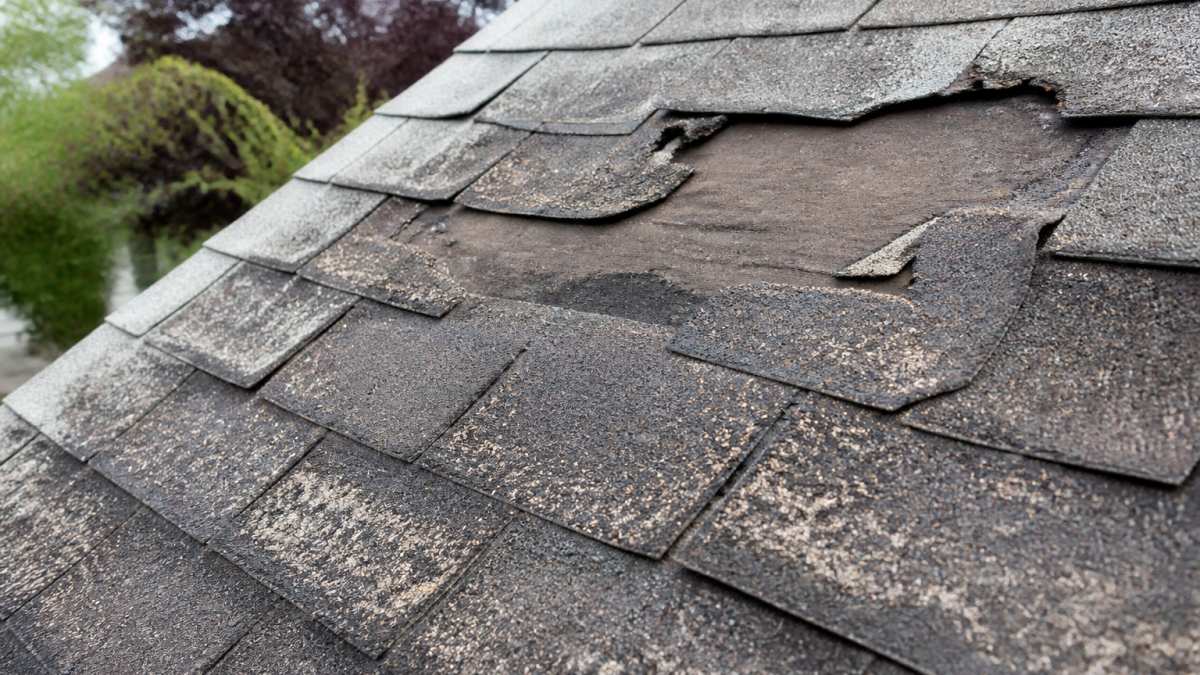
Age and visible damage are the most obvious signs. Most asphalt shingle roofs reach 20-25 years before needing replacement. If your roof is approaching this age, plan for replacement even if it looks acceptable from the ground. Visible damage includes missing shingles, curled or cracked shingles, and exposed decking or underlayment. Granule loss, where shingles appear bald or shiny, indicates the protective coating is wearing away. Look at your gutters; if they’re full of dark granules, your shingles are deteriorating. Sagging or dips in the roofline suggest structural issues requiring immediate professional assessment.
Leaks and water damage inside your home demand urgent attention. Water stains on ceilings, damp insulation in the attic, or mold growth indicate roof failure. Don’t assume a small leak is minor, water finds paths through your structure, causing hidden rot in framing and decking. Once water damage is present, the underlying structure may be compromised beyond simple shingle replacement. A professional roof inspection with moisture detection equipment reveals the true extent of damage and whether repair or replacement is necessary.
How to Choose a Roofing Contractor
Selecting the right contractor determines whether your roof replacement protects your home for decades or becomes a source of problems. Quality matters far more than getting the lowest quote.
Licensing and insurance verification is non-negotiable. Confirm your contractor holds a valid roofing license in your province and carries liability insurance and workers’ compensation coverage. Request proof of both before work begins. Licensed contractors follow building codes and warranty requirements; unlicensed operators leave you unprotected if something goes wrong. Insurance protects you if a worker is injured on your property, you don’t want that liability falling on you.
Getting a detailed roofing estimate means more than just a price. A thorough estimate specifies materials (brand, grade, color), labor scope, timeline, warranty terms, and what’s included in cleanup. Compare estimates from multiple contractors, but don’t choose based on price alone. A suspiciously low quote often reflects corner-cutting or hidden costs that appear later. Ask contractors about their approach to tear-off, deck inspection, and how they handle unexpected damage discovered during removal.
The best contractor provides references from recent jobs, shows you photos of completed work, and explains their process clearly. At HighLow Roofing & Exteriors, we prioritize transparency, you’ll understand exactly what’s happening and why before work begins.
Roof Replacement Cost in Lethbridge: What to Expect
Understanding the specific factors affecting roof replacement cost in your area helps you budget realistically and recognize fair pricing when you see it. Beyond materials and labor, several administrative and financial layers affect your total out-of-pocket expense.
Labor costs and installation timeline vary based on local market conditions and contractor experience. Established contractors with strong reputations typically charge more than newer operations, but their experience often prevents costly mistakes and ensures code compliance on the first pass.
Permits and inspections are required by municipal bylaw in Lethbridge. Your contractor should handle permit applications and coordinate with municipal inspectors. The permit process typically involves submitting roofing plans, material specifications, and contractor licensing information to the municipality.
Insurance claims for wind and hail damage provide a pathway to offset replacement costs when damage results from covered events. Lethbridge’s hail and wind exposure means many homeowners face roof damage claims. Here’s how the process typically works: document damage immediately with photos and video, showing the date and extent of damage.
Financing options provide flexibility when replacement cost feels overwhelming. Many contractors offer payment plans, allowing you to spread costs over 12-24 months with little or no interest. Home equity lines of credit (HELOCs) and home equity loans are common alternatives, offering lower interest rates than personal loans because your home serves as collateral.
Getting multiple estimates is essential for fair pricing. Request detailed estimates from at least three contractors, specifying materials (brand, grade, color), labor scope, timeline, warranty terms, and what’s included in cleanup and debris removal.
Frequently Asked Questions
What factors have the biggest impact on roof replacement cost?
The primary factors affecting roof replacement cost are roof size (measured in square footage), roof pitch and complexity, material choice, and the condition of the existing roof. Removing old roofing, replacing damaged decking, and installing underlayment and flashing all add to labor costs. Local market rates and contractor expertise also influence the final price. Request a detailed roofing estimate that breaks down each component so you understand where your investment goes.
What roofing material options work best for Alberta’s climate?
Asphalt shingles are the most common choice and offer good value for Alberta’s freeze-thaw cycles. Metal roofing excels at shedding snow and ice, improving wind resistance, and lasting 40+ years. Composite shingles provide durability and aesthetic flexibility. All three handle hail damage better when installed correctly with proper underlayment and ventilation. The best choice depends on your budget, desired lifespan, and how long you plan to stay in your home.
How long does a typical roof replacement take?
A standard residential roof replacement typically takes 3 to 5 business days, depending on roof size, pitch, weather, and whether old roofing must be fully removed. Larger homes or complex roof designs may take longer. Weather delays are common, if rain or wind interrupts work, the timeline extends. A professional roofing contractor will provide a realistic schedule during the estimate phase. Plan for potential disruption to your daily routine during the installation period.
Are there alternatives to replacing my entire roof?
Yes. If your roof is still structurally sound, a roof overlay (installing new shingles over the old layer) is a less expensive alternative, though it won’t address underlying damage. Localized repairs work for isolated leaks or small areas of damage. However, if decking is compromised, ventilation is poor, or multiple leaks exist, full replacement is the better long-term investment. A professional roof inspection will determine which approach makes sense for your situation.
Do I need a building permit for a roof replacement?
Yes, a building permit is required for roof replacements in most Alberta municipalities, including Lethbridge. Permits ensure the work meets current building codes and safety standards. Your roofing contractor should handle permit applications as part of the project. A final inspection confirms the new roof meets code requirements. Skipping permits can create problems when selling your home or filing insurance claims, so always verify permit requirements with your local authority.
What should I look for in a roofing estimate?
A thorough roofing estimate should itemize materials (shingles, underlayment, flashing, nails), labor costs, removal of old roofing, and any structural repairs needed. It should specify the warranty period and what it covers. The estimate should include a timeline and clarify payment terms. Compare estimates from multiple contractors, but don’t choose based on price alone, verify licensing, insurance, and references. A detailed estimate protects both you and the contractor.
How do insurance claims work for storm damage to my roof?
If your roof is damaged by hail, wind, or other covered perils, contact your insurance provider promptly. They may send an adjuster to assess the damage and determine coverage. Document all damage with photos and keep repair quotes. Many policies cover replacement costs minus your deductible. Some insurers work directly with contractors. Review your policy to understand your deductible and coverage limits. Filing quickly prevents further water damage and mold growth while your claim is processed.