
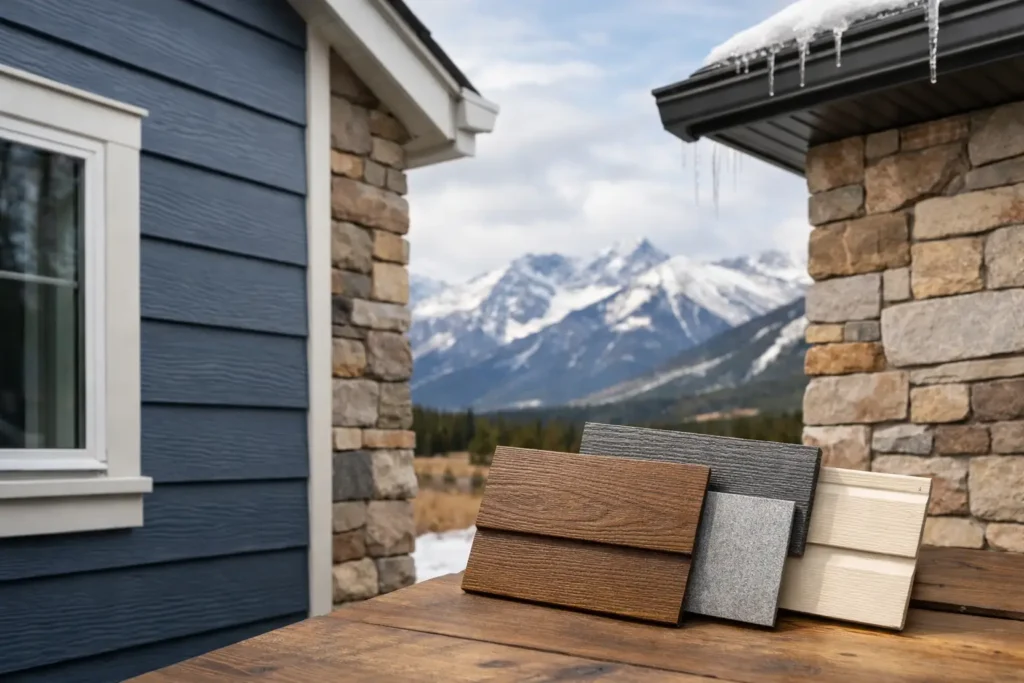
A siding decision can look simple from the street, until a Southern Alberta windstorm drives rain against the walls, hail hits the exterior, or winter temperatures settle in for weeks. Knowing how to choose house siding means looking past a color sample and choosing a system that protects your home, fits your budget, and still looks good years from now.
For homeowners in Lethbridge and surrounding communities, the right answer is rarely the cheapest material or the trendiest profile. It is the siding that performs reliably through temperature swings, wind, moisture, sun exposure, and everyday family life.
Start With Your Home’s Exposure
Before comparing materials, consider what your home faces throughout the year. A house on an open lot may take far more wind than a sheltered property. South- and west-facing walls receive strong sun exposure, while shaded areas can stay damp longer after rain or snow. Mature trees, roof overhangs, landscaping, and the condition of your gutters also affect how much moisture reaches the siding.
Southern Alberta weather puts extra pressure on exterior systems. Rapid shifts from warm to cold can cause materials to expand and contract. Wind can find loose edges and vulnerable seams. Hail can leave obvious damage, but smaller impacts and repeated weather exposure can also shorten a product’s useful life.
This does not mean every home needs the most expensive siding available. It means the material, fastening method, trim details, and water-management plan should suit the property. A professional exterior assessment can identify conditions that are easy to miss from the ground, including damaged flashing, poor drainage, or areas where the existing wall system is already holding moisture.
How to Choose House Siding by Material
Each siding material has strengths, limitations, and a different long-term cost. The best choice depends on how much maintenance you are comfortable handling, the look you want, and the level of weather resistance your home needs.
Vinyl siding
Vinyl remains a practical choice for many homeowners because it is affordable, low-maintenance, and available in many colors and profiles. It does not need regular painting, and quality products can provide dependable performance when installed correctly.
The trade-off is that vinyl can crack or dent under a hard impact, particularly in colder conditions. It may also fade over time on heavily sun-exposed walls. Look for a quality panel with appropriate thickness, a dependable warranty, and installation that allows for normal expansion and contraction. Vinyl that is fastened too tightly can buckle when temperatures change.
Fiber cement siding
Fiber cement offers a substantial, painted appearance that works well on traditional, craftsman, and modern homes. It resists rot and insects and holds up well against fire exposure. Homeowners often choose it for its ability to mimic wood grain without wood’s frequent maintenance demands.
It does require painting or refinishing on a schedule, and installation is more labor-intensive than vinyl. Proper clearances, flashing, cutting methods, and paint application matter. Fiber cement can be an excellent long-term investment, but it is not a material to treat as a quick, low-cost replacement.
Engineered wood siding
Engineered wood gives homeowners the warmth and character of a wood-style exterior with greater consistency and improved resistance to moisture and decay. It can be a strong option for homeowners who want a traditional look and are prepared to keep up with paint and caulking maintenance.
Its performance depends heavily on installation details. Cut edges, joints, and transitions around windows and doors must be properly protected. If neglected, any painted wood-based product can become vulnerable where water gets behind the finish.
Metal siding
Metal siding provides a clean, durable look that suits modern homes, agricultural-style designs, and properties exposed to heavy wind. It is resistant to insects and does not rot. Steel products may be especially appealing where strength and low maintenance are priorities.
However, metal can dent from severe hail or impact, and its appearance is not right for every home. Quality trim work is essential because the corners, openings, and connections are what give metal siding a finished, weather-resistant result.
Natural wood and stone accents
Natural wood delivers unmatched character, while stone adds texture and a premium architectural feel. Both are often most practical when used as accent materials rather than across an entire exterior. They can add curb appeal around entryways, gables, columns, or lower wall sections.
Wood requires ongoing care to prevent peeling, moisture damage, and insect issues. Stone veneer needs proper support and drainage behind it. These materials can be worthwhile, but their maintenance and installation requirements should be part of the decision from the start.
Look Beyond the Siding Panels
Siding is only one part of the exterior wall system. Even premium material can underperform if the details behind and around it are ignored. Water-resistive barriers, flashing, window and door trim, soffit, fascia, and gutters all work together to direct water away from the home.
This is why a siding replacement is a good time to inspect the entire exterior. Old siding may conceal soft sheathing, missing flashing, poor insulation, or gaps where air and moisture can move into the wall. Addressing these issues during the project is generally more practical than reopening finished walls later.
Pay close attention to the roofline. Overflowing gutters, damaged fascia, or missing drip edge can send water down the wall repeatedly. No siding material is designed to compensate for a drainage problem above it. A coordinated exterior approach protects the investment and creates a cleaner finished appearance.
Balance Maintenance Against Lifetime Cost
The lowest installation price is not always the lowest cost over the life of the siding. A material that requires repainting, frequent caulking, or repairs may cost less upfront but demand more money and attention over the years. On the other hand, a premium product only makes financial sense if it fits the home, the neighborhood, and your plans for the property.
Think about how long you expect to stay in the home. If you plan to sell within a few years, a well-installed, attractive siding option that improves curb appeal may be the sensible choice. If this is your long-term home, spending more on durability, insulation improvements, and better trim details can provide better value over time.
Ask for clear information about product warranties, finish warranties, maintenance expectations, and what is covered by the installer. A warranty is helpful, but it should not replace careful material selection and workmanship.
Choose a Color and Style That Will Age Well
Siding color has a larger impact than most homeowners expect. It affects curb appeal, how visible dust and wear appear, and how much heat the surface absorbs. Darker colors can make a strong statement, but they may show fading more quickly on sun-exposed walls and can make a small home feel heavier. Lighter shades often feel classic and forgiving, while mid-tone colors can balance warmth and practicality.
Consider the permanent features that will remain after the siding project: roofing color, brick or stone, window frames, driveway tone, and landscape elements. The goal is not to match everything exactly. It is to create a coordinated exterior where the siding, trim, roof, and gutters look intentional together.
Profile matters as well. Horizontal lap siding is versatile and familiar. Board-and-batten creates vertical lines that can make a home appear taller. Shakes and specialty panels add texture but are often best used in select areas. Mixing two profiles can add visual interest, provided the design does not become overly busy.
Get an Estimate That Covers the Real Scope
A useful siding estimate should be more than a price per square foot. It should identify the siding material and profile, trim, removal of existing materials, wall preparation, flashing, weather barrier work, disposal, and any repairs that may be needed once the wall is opened.
Ask how the contractor handles unexpected damage behind old siding. Some hidden issues cannot be confirmed until removal begins, but the process for documenting and pricing repairs should be clear before work starts. You should also understand the project schedule, site cleanup plan, and who will be accountable for the finished result.
HighLow Roofing & Exteriors approaches siding as part of your home’s complete protection system, not as a cosmetic layer alone. That perspective helps homeowners make decisions that support the roofline, drainage, and long-term condition of the exterior.
The right siding should give you confidence when the forecast turns rough and satisfaction every time you pull into the driveway. Start with your home’s real exposure, choose a material you can maintain, and make sure the installation details receive the same care as the color and style.